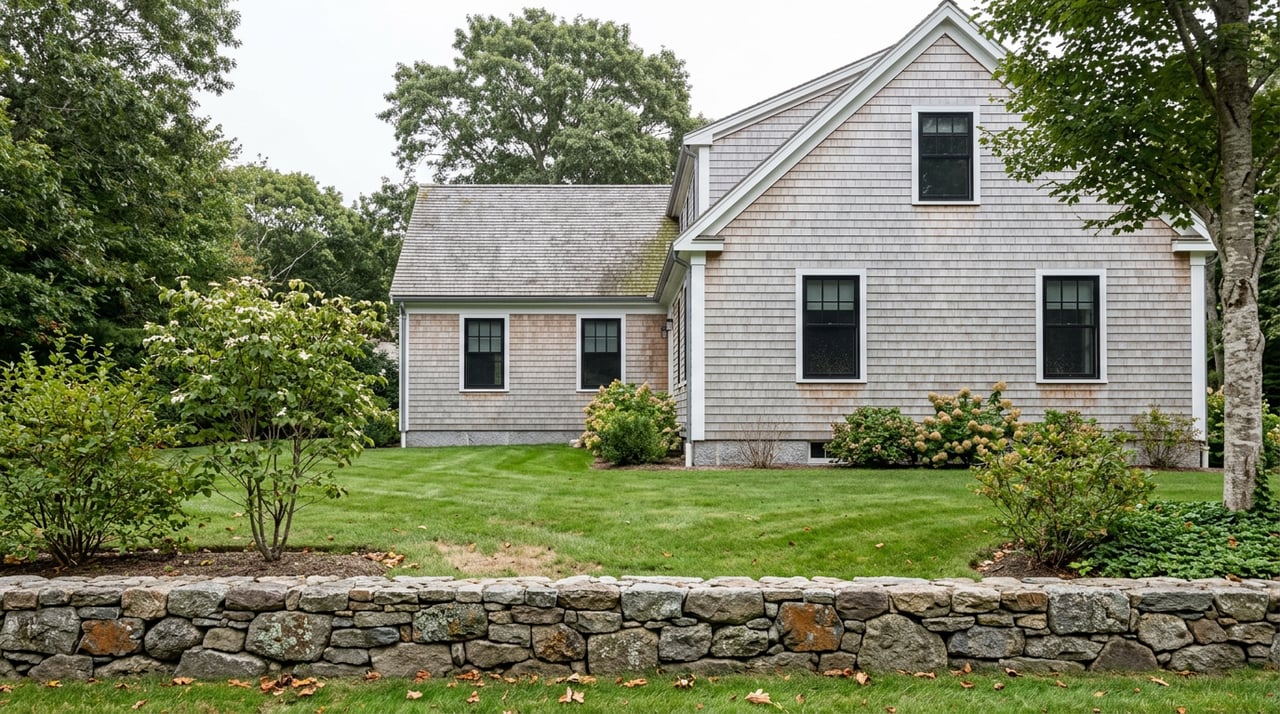
Thinking about selling your Westport home, but unsure if now is the moment? It is a big decision, and the headlines do not always match what is happening in your neighborhood or price point. You deserve a clear, local, and data-driven way to decide. In this guide, you will learn exactly which Westport metrics to check, how to interpret them, and how to match the numbers to your personal timing and goals. Let’s dive in.
What “sell now” means in Westport
Westport is not a single market. Waterfront estates, renovated family homes near town, and condo communities often move at different speeds. That is why town-level trends are helpful, but your price band and property type matter more.
When you think about “sell now,” look at your specific segment first. A mid-range single-family home might see faster activity than a one-of-a-kind waterfront property, which can take longer to find the right buyer. Your decision should be shaped by both the broader town metrics and your home’s micro-market.
Read the market in 10 minutes
If you track just a few indicators, you can quickly understand your leverage as a seller.
Months of supply (MOS)
- What it is: The number of months it would take to sell all current listings at the current sales pace.
- Why it matters: It is the best single indicator of market balance. As a rule of thumb, MOS under 4 signals a seller-leaning market, 4 to 6 is balanced, and over 6 favors buyers.
- How to use it: Check MOS for Westport overall and for your price tier. A low MOS in your bracket points to stronger pricing power and quicker offers.
Inventory and pendings
- What to check: Active listings, new listings, pending sales, and closed sales over the past 3 to 12 months.
- How to interpret: Rising new listings with flat or falling pendings suggests demand is cooling. Low new listings with steady or rising pendings signals tight supply and potential price pressure.
- Action step: If pendings are holding while inventory stays tight, listing sooner can capture demand before competition increases.
Days on market and sale-to-list ratio
- Days on market (DOM): Shorter DOM indicates strong buyer interest. Watch for changes month to month.
- Sale-to-list ratio: If recent sales are closing at or above asking, pricing power is stronger. If the ratio is drifting down, buyers may have more room to negotiate.
- Action step: Price in line with recent accepted offers, not just closed comps, to align with real-time momentum.
Price reductions and contingencies
- Watch the trend: More price reductions and more frequent appraisal or financing contingencies point to greater buyer leverage.
- Action step: In a cooling pattern, prioritize a pragmatic list price and strong presentation to avoid sitting and discounting later.
Mortgage rates and demand
- Rates affect purchasing power: Higher mortgage rates reduce buyer budgets, which can lengthen DOM or shift buyers into lower price tiers.
- Where to look: Track weekly mortgage-rate movement in the Freddie Mac Primary Mortgage Market Survey to gauge short-term demand headwinds or tailwinds.
- Action step: If rates ease while local inventory remains thin, buyer activity can jump. If rates rise and inventory builds, expect more cautious offers.
Seasonal timing and demand drivers
Spring vs off-season
Spring traditionally attracts more buyers and listings in Westport, especially for family-oriented moves. That can mean more showings, but also more competition from other sellers. Listing in late winter can help you meet early-spring demand. Off-season listings can also perform well when supply is scarce and buyers are motivated.
Commuter and lifestyle demand
Westport’s access to New York City and rail, coastal amenities, and a vibrant downtown broaden the buyer pool. Remote work has also influenced preferences for space and home offices. These factors can maintain steady interest across price tiers, even when broader markets pause.
Limited new construction
Westport has limited buildable land and zoning constraints. That keeps new-home supply tight compared to more distant suburbs, which supports pricing over the long term. If you own a move-in ready or recently renovated home, scarce competition can be an advantage.
Know your segment
Luxury and waterfront
High-end and waterfront properties often have longer timelines, unique inspection considerations, and a more targeted buyer pool. Premium marketing, accurate pricing, and outreach to regional broker networks are essential. Expect more detailed due diligence and appraisal scrutiny.
Single-family core market
Mid to upper-mid price points typically see the most activity and set the tone for the broader market. If MOS is low in this segment, well-priced homes with quality presentation can earn fast interest and competitive terms.
Condos and townhomes
These properties draw a different buyer mix and financing profile. Check condo-specific MOS, recent community sales, and any association rules or fees that may affect buyer decisions.
Costs, taxes, and closings in Connecticut
Seller costs to plan for
- Real estate commission and closing costs, including attorney fees and prorations.
- Pre-list updates: repairs, light improvements, staging, and professional photography.
- Holding costs if you need time to find your next home: mortgage, insurance, taxes, and utilities.
- Action step: Ask for a custom net-proceeds estimate from a Westport listing agent and a local closing attorney so you know your bottom line before listing.
Capital gains rules
If the home has been your primary residence for at least two of the past five years, federal rules may let you exclude up to $250,000 of gain if single or up to $500,000 if married filing jointly. Review eligibility in IRS Publication 523 and consult a tax advisor for Connecticut-specific guidance.
Attorney closings and timing
Residential closings in Connecticut typically involve attorneys for both buyer and seller. Many closings occur within 30 to 60 days after contract, depending on financing, inspections, and title work. Cash deals can close faster.
Coastal and flood items
If your home is near the coast or in a flood zone, factor in elevation certificates, flood maps, and insurance quotes early. These items can affect buyer financing, insurance costs, and timing. Proactive documentation helps prevent delays and renegotiations.
Three seller playbooks now
List now if
- MOS in your price tier is under 4 and pendings are steady or rising.
- DOM is short and sale-to-list ratios are holding at or above asking.
- Competing inventory in your submarket is limited and rates are stable or easing.
- You have a plan for your next home, such as temporary housing or a clear purchase path.
Prepare and wait if
- Inventory is building, pendings are slowing, and price reductions are increasing.
- DOM is lengthening in your tier and sale-to-list ratios are slipping.
- You need time for light updates or repairs to stand out in a more selective market.
- You want to list just ahead of a seasonal surge to maximize attention.
List with flexible terms if you must buy too
- Use rent-backs or flexible closing dates to bridge timing if you need funds from this sale.
- Consider reviewing offers with appraisal gap coverage or stronger deposits to reduce risk.
- Prioritize buyers with verified pre-approvals and fewer contingencies for higher certainty.
A simple decision framework
Use this step-by-step process to bring clarity to your timing.
- Get the right data for your bracket
- MOS overall and by price band
- Active, new, and pending listings for the past 30 to 90 days
- DOM and sale-to-list ratio trends
- Share of price reductions and cash vs financed sales
- Interpret the signal
- Low MOS, steady pendings, short DOM: stronger seller advantage
- Rising MOS, more reductions, longer DOM: buyers gaining leverage
- Align with your goals
- Timeline: school-year move, job change, or downsizing window
- Finances: net proceeds target, tax planning, and carrying costs
- Replacement housing: availability and comfort with temporary solutions
- Choose your playbook
- List now, prepare and wait, or list with flexible terms
- Set a pricing strategy based on recent accepted offers and competitive actives
- Finalize pre-list improvements and marketing plan
Get a custom, data-backed plan
Your best answer to “Should I sell now in Westport?” comes from local numbers tied to your property. If you want a clear read on your timing and expected net, ask for a tailored CMA, a price strategy anchored to current pendings, and a net-proceeds estimate. You can also request an instant value range to get started.
If you are weighing your options, reach out to Lovisa Wisdom for a private consultation or tap the site’s Get Your Instant Home Valuation tool. You will get a neighborhood-level strategy, premium marketing, and a plan that fits your move.
FAQs
Is Westport in a seller’s market right now?
- Check months of supply for your price tier; under 4 months with steady pendings and short DOM typically indicates a seller-leaning market.
How long will it take to sell and close?
- In Connecticut, many transactions close 30 to 60 days after contract; timing depends on financing, inspections, title, and your property’s segment.
How do mortgage rates affect my sale?
- Higher rates reduce buyer budgets and can lengthen DOM; track weekly movement via the Freddie Mac PMMS and pair it with local inventory trends for context.
Do waterfront or luxury homes sell differently?
- Yes, they often have longer marketing times and more detailed due diligence; pricing accuracy and targeted marketing to the right buyer pool are key.
What seller costs should I expect in Connecticut?
- Plan for commission, attorney fees, prorations, and any pre-list improvements; ask for a net-proceeds estimate to confirm your bottom line.
Can I sell first if I need to buy next?
- Yes, use rent-backs, flexible closing dates, and verified buyer financing to keep your timeline and reduce risk while you secure your next home.