Craving more space, quiet, and tree-lined privacy without giving up access to Fairfield County life? If so, Weston may be on your radar. The town’s large-lot zoning and abundant open space create a peaceful, low-density setting that many buyers dream about. At the same time, acreage living brings practical questions about zoning, septic and well systems, site planning, and maintenance. In this guide, you’ll learn what two acres in Weston really allows, how to plan due diligence, and which trade-offs to expect so you can move forward with confidence. Let’s dive in.
Why Weston draws acreage buyers
Weston keeps a distinctly low-density character. Much of the town falls within the Two-Acre Residential & Farming district, which preserves privacy and space between homes. The official zoning regulations explain the town’s lot-size, frontage, and setback standards that shape how properties are used and developed. You can review the current rules in the Town of Weston’s zoning code to understand how they apply to a specific parcel. The code is amended through July 7, 2025. See the official zoning regulations.
Outdoor access is another draw. The Lucius Pond Ordway–Devil’s Den Preserve offers roughly 1,700 to 1,800 acres of protected land with miles of trails. Large conservation areas like this enhance privacy across town, support wildlife habitat, and create close-at-hand recreation for everyday living. Learn more about the preserve through The Nature Conservancy’s overview.
What two acres really means in Weston
Two acres sounds simple, but the code adds important details that shape what you can build and where. In the R‑2A district, minimum lot area is 2.0 acres. A conforming parcel must also fit a rectangle of 170 by 200 feet and usually needs at least 170 feet of road frontage. These dimensional rules create the low-density feel that makes Weston appealing. Review these standards in the zoning regulations.
Setbacks and coverage further define the buildable area. Typical R‑2A setbacks are 50 feet from the front lot line and 30 feet from side and rear lines. Maximum building height is 35 feet. Building coverage by buildings and accessory structures is capped at 15 percent of the lot area. Combined with wetlands, ledge, and septic requirements, your usable envelope can be much smaller than the deeded acreage. The code also requires two contiguous acres if a parcel is split by a road or a significant watercourse.
Planning a pool, barn, or sports court? The two-acre minimum does not guarantee flexible placement. Setbacks, septic reserve areas, and environmental buffers can shift or limit siting. Early in your process, plan for an A‑2 zoning location survey and a conversation with Planning & Zoning staff. New construction and many additions require formal review or special permits. Starting early helps align your plans with the town’s permitting expectations.
Septic and well basics you should know
How systems are regulated
Most Weston properties use on-site septic and private wells, so it is essential to know the rules. The Connecticut Department of Public Health publishes the Technical Standards for septic systems. These standards require site investigations and percolation testing, define minimum septic tank sizes, and set protective separation distances to wells and water bodies. Local approvals are handled by the Aspetuck Health District, which oversees soil testing, septic permits, and well location forms. Review the state standards in the DPH Technical Standards and see Aspetuck’s Environmental Health services.
A few helpful benchmarks from the standards: a single-family home with one to three bedrooms typically needs a 1,000-gallon septic tank. The size and layout of the leaching area are determined by soil results. Minimum separation distances between septic systems and water-supply wells start at 75 feet for common residential well capacities, and they increase with certain conditions. These distances are a big reason septic siting affects where you can place amenities.
Well water quality and testing
Groundwater quality varies across Connecticut’s bedrock. A statewide sampling effort by the USGS and CT DPH found about 7 percent of private well samples exceeded EPA drinking-water standards for arsenic or uranium between 2013 and 2015. The study included many wells in Weston and nearby towns, and it identified localized pockets with elevated results. The practical takeaway is simple. If you are buying a home on a private well, do not assume results are fine without testing. Read the findings in the USGS and DPH report.
CT DPH recommends a tiered well-testing schedule that includes basic annual checks and periodic testing for arsenic, uranium, and certain other contaminants based on risk factors. Testing during purchase is strongly advised, and after major system work or extreme weather. You can review the state’s guidance in DPH’s Private Well Testing page.
Practical due diligence steps
- Ask for the septic as-built plan, pumping and maintenance records, and any repair permits on file with the health district. Confirm with the Aspetuck Health District as needed.
- Order a septic inspection. Where possible, include a camera inspection of lines and a review by a local septic designer if soils or ledge look tight.
- Order a state-certified lab test of the private well. Include bacteria and nitrates, and at least one test for arsenic and uranium. If a treatment system exists, request its maintenance records.
- If contaminants are found or the septic is near end of life, discuss treatment or replacement options with your contractor and consult CT DPH or Aspetuck HD on next steps. See the Technical Standards and Aspetuck HD resources.
Planning amenities on a wooded lot
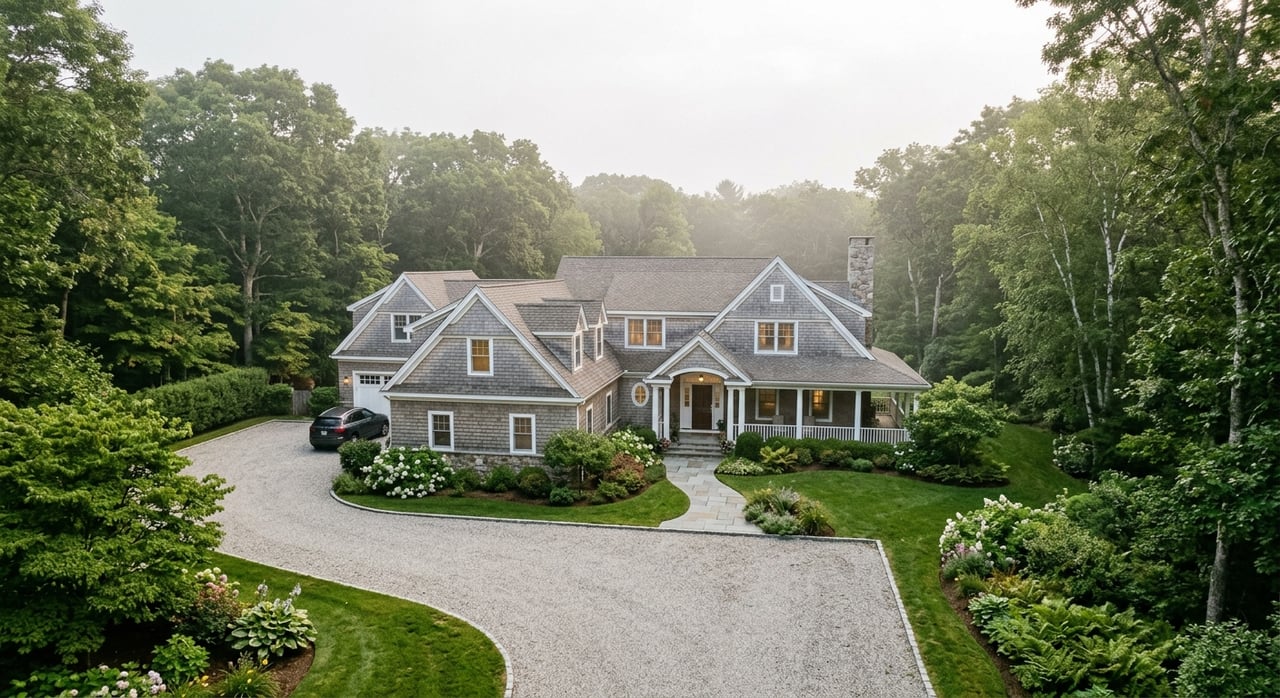
Two acres offers room for a pool, sport court, or accessory structures, but the details matter. Your building envelope is shaped by setbacks, coverage limits, wetlands, steep slopes, exposed ledge, and the footprint needed for a code-complying septic system and its future reserve area. A two-acre property with wetlands can have far less usable area than one without. The best way to get clarity is to pair an A‑2 survey with early soil testing and a sketch plan, then meet with town staff. The relevant rules are outlined in the zoning code.
Remember the protective distances between septic systems and wells. Septic components often must sit at least 75 feet away from a residential well, and sometimes more depending on system type and site conditions. Percolation results drive the size of leaching areas, which in turn can influence where a patio, court, or barn can go. Align these pieces at the start rather than redesigning later.
Daily-life trade-offs on acreage
Driveways and access
Longer private driveways look beautiful and feel secluded. They can also add construction and maintenance costs, including snow plowing and periodic resurfacing. Emergency access standards apply during permitting, so road width, sight lines, and turnaround areas may be reviewed by Planning & Zoning and public safety officials. You can reference these expectations in the zoning regulations.
Utilities and heating
Most acreage homes in Weston rely on private wells and septic systems. Natural gas is not universal in more rural sections, so many homes use oil, propane, or electric heat pumps. Confirm the current fuel type and ask for any oil tank or propane service records.
Internet and communications
Service levels can vary by street and provider. If you work from home or need high upload speeds, verify service at the address before you commit.
Wildlife and stewardship
Large, wooded lots bring more daily contact with deer and native wildlife. Ticks are part of life across Connecticut, and regular yard care helps manage exposure. Plan for brush management and consider local pest control or deer fencing if needed.
Snow and storm response
Private driveways and long frontages mean you will plan your own snow removal and storm cleanup. Factor in plowing, sanding, and the occasional tree or limb removal after severe weather.
Ongoing maintenance to budget for
- Lawn and landscape care for larger grounds, whether you prefer meadow areas or manicured lawn
- Tree inspections, pruning, and hazard removals, which are common on wooded lots
- Driveway upkeep and annual snow plowing
- Septic inspections, regular pumping, and eventual repair or replacement as systems age or homes are enlarged
- Well testing each year for basics, and scheduled maintenance for any filtration or treatment systems
- Pest and wildlife management, such as tick services or deer fencing where useful
- Erosion and stormwater management on sloped sites
Specific costs vary by property and contractor. Ask for historical invoices and talk with neighbors to get a realistic picture for your street.
Buyer checklist for Weston acreage
- Confirm the zoning designation for the property and review applicable standards, including lot size, setbacks, coverage, and height. Start with the Town of Weston zoning regulations.
- Request the septic as-built, pumping records, and any health district permits. Plan a septic inspection and, if soils or ledge are present, consult a local septic designer. See the Aspetuck Health District’s resources.
- Order a certified private well test. Include bacteria and nitrates, plus arsenic and uranium at least once. Review CT DPH’s testing guidance.
- If you plan to build or add amenities, obtain an A‑2 survey and review wetlands, floodplain, and any conservation easements. Coordinate early with Planning & Zoning using the town’s code reference.
- Verify driveway access, emergency-vehicle maneuvering, and snow removal arrangements, especially on long private drives.
- Discuss recent sales and demand for 2 to 5 acre properties with a local agent who tracks the MLS. This helps set expectations for pricing and resale.
Is Weston acreage right for you?
If you want quiet, privacy, and a connection to protected open space, Weston’s two-acre lifestyle is compelling. You will balance that with practical planning for septic and wells, a careful read of the zoning envelope, and a maintenance plan for a larger site. With the right due diligence and an experienced local guide, you can enjoy the space you want and make confident decisions that fit your long-term goals.
If you are weighing options or want targeted advice on a specific property, reach out to Lovisa Wisdom for a friendly, expert conversation about Weston acreage and how to navigate due diligence.
FAQs
Do all homes in Weston sit on two-acre lots?
- Most residential land is in the R‑2A Two-Acre district, though there is also a Village District with smaller lots and some grandfathered nonconforming parcels. Always confirm zoning on the official code.
What inspections should I do when buying a Weston acreage home?
- For homes on private well and septic, plan a septic inspection and a certified well test. Include bacteria and nitrates, and test at least once for arsenic and uranium. See Aspetuck HD and CT DPH guidance.
How do setbacks and coverage affect pools and courts?
- R‑2A setbacks, a 15 percent coverage cap, septic reserve areas, and environmental buffers shape your buildable envelope. Review specifics in the zoning regulations and plan an A‑2 survey early.
Are there known well water concerns in Weston?
- A USGS and CT DPH study found about 7 percent of private wells statewide exceeded standards for arsenic or uranium, with localized pockets in the area. Testing is recommended. Read the USGS/DPH report.
Who permits septic and well work in Weston?
- The Aspetuck Health District handles septic permits, soil testing oversight, and well location forms for Weston properties. See their Environmental Health services.