Imagine starting your day with calm water views and the sound of gulls over Long Island Sound. If you are considering a waterfront home in Darien, you likely want privacy, easy access to the water, and a smooth commute to New York City. You also want to understand permits, flood zones, docks, and long-term maintenance before you buy. This guide walks you through what “waterfront in Darien” really means, the rules and risks to know, and a practical checklist to move forward with confidence. Let’s dive in.
What “waterfront” means in Darien
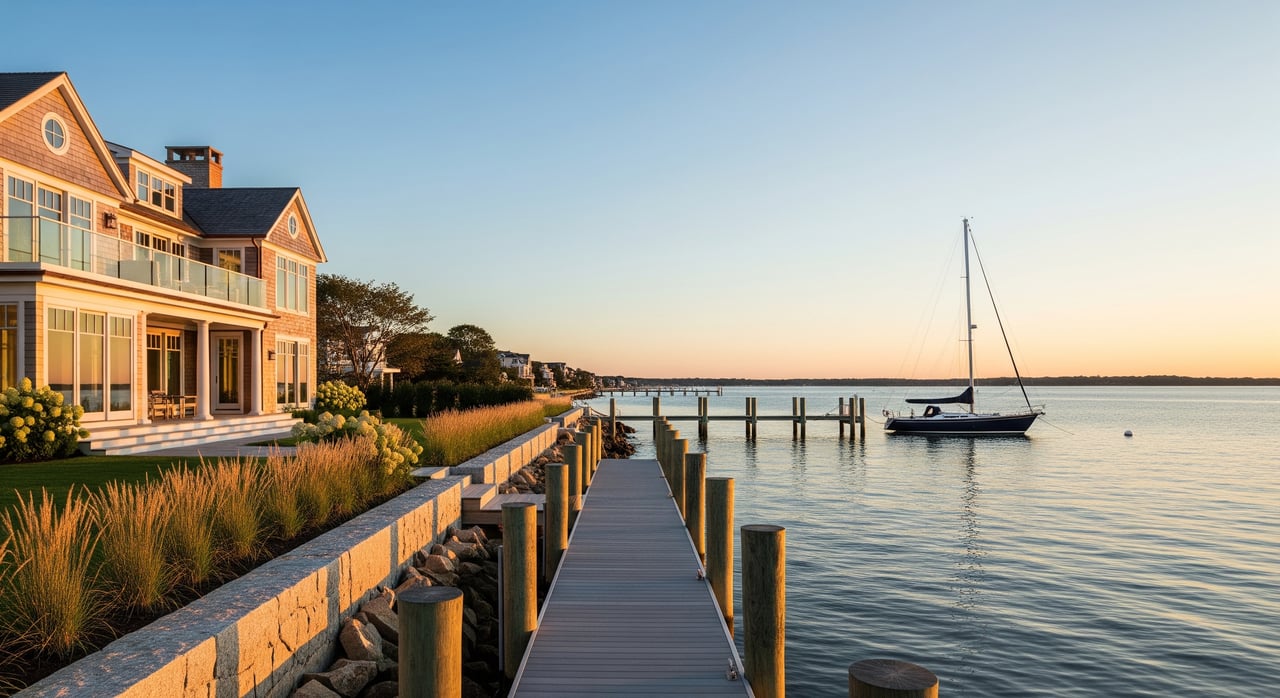
Waterfront in Darien is not one-size-fits-all. You will find homes directly on the open Sound, on quiet coves and bays, and along tidal rivers or canals that feed into the Sound. Each setting brings different views, boating access, maintenance needs, and price points.
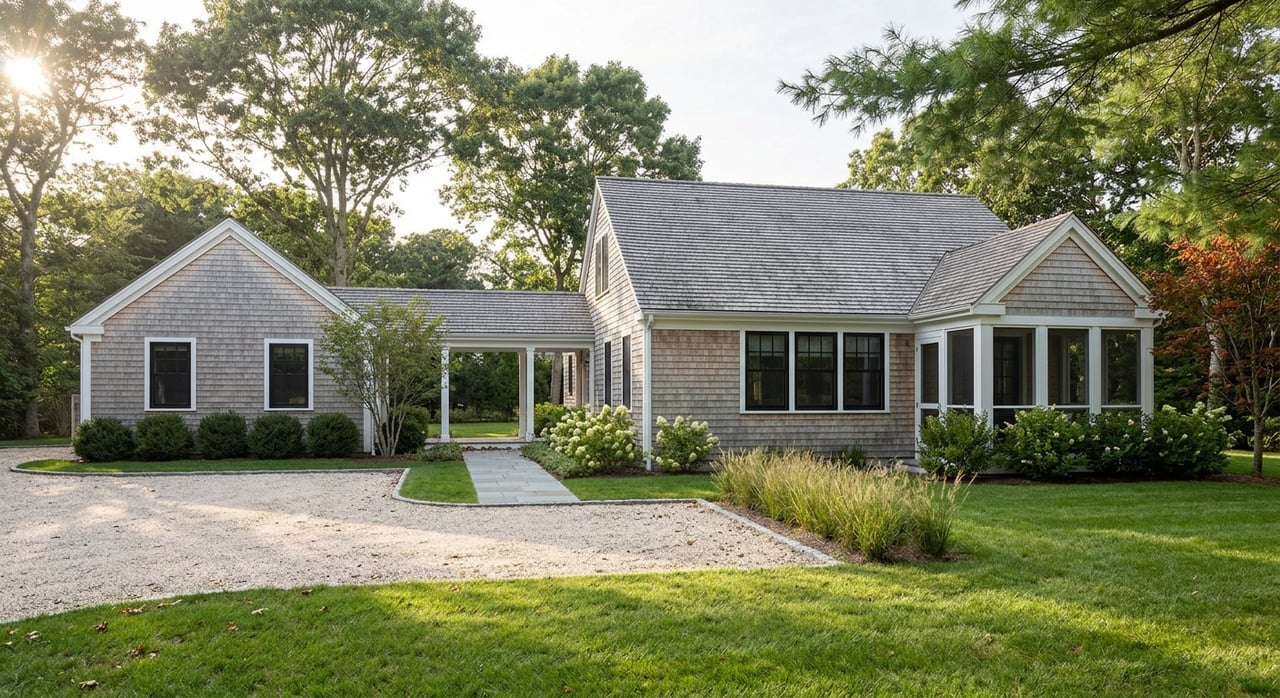
You will also see a wide mix of property types. Options range from smaller cottages and classic shingle or colonial homes to custom estates with private docks, bulkheads, and beach areas. Expect significant variation in lot size, elevation, water depth, and how recently a home has been updated.
Neighborhoods and access
Noroton Bay
Noroton Bay sits on the western side of Darien, near Noroton Harbor. It offers a blend of direct frontage, protected water access, and community beach or association arrangements. Proximity to commuter rail and town amenities adds to the convenience factor.
Tokeneke
Tokeneke stretches across peninsulas and coves on Darien’s southeastern shoreline. Many properties enjoy sheltered waters, association beaches or docks, and a neighborhood feel. Rules, fees, and guest access for shared facilities are typically set by local associations.
Other shoreline enclaves
Beyond these hubs, you will find Sound-facing homes and properties along smaller coves and tidal inlets. Some offer deep-water options for larger boats, while others suit kayaks and paddleboards. Availability of private docks, moorings, or nearby marina access often shapes daily life and value.
Price drivers to expect
Darien’s waterfront carries a premium compared with inland homes. Prices vary widely based on:
- Type of frontage and view: open Sound vs. protected cove vs. tidal river or canal.
- Water depth at low tide and navigability to the Sound.
- Private access: dock, berth or mooring rights, beach access, and bulkheads.
- Lot size, elevation, and degree of modernization or rebuild potential.
- Location convenience to town center, Metro-North, and public amenities.
If you plan to keep a powerboat or sailing yacht, water depth and dock usability can be key. Buyers often compete for well-located parcels that combine privacy with reliable access.
Permits, rights, and rules
Who regulates what
Several authorities play a role in Darien waterfront ownership:
- Town of Darien: Planning & Zoning, Inland Wetlands & Watercourses Agency, Harbor Master, Building Department, and Tax Assessor.
- Connecticut Department of Energy & Environmental Protection (CT DEEP): coastal and tidal wetlands oversight, state permits for tidal work, and coastal consistency review.
- U.S. Army Corps of Engineers: federal permits for work below mean high water or for discharges into navigable waters.
- FEMA and the National Flood Insurance Program (NFIP): flood maps and building requirements that affect design and insurance.
Common projects and permits
- Docks, piers, and pilings usually require Town and Harbor Master approvals, CT DEEP permits, and sometimes Army Corps permits.
- Bulkheads, revetments, and seawalls often require local permits, CT DEEP review, and engineered designs. Some projects need mitigation for intertidal habitat impacts.
- Moorings and slips are typically managed by the Town Harbor Master or associations. Expect potential waitlists and seasonal rules.
- Dredging and shoreline alterations are heavily regulated, with strict review and conditions.
Riparian rights and associations
Waterfront ownership in Connecticut often involves riparian rights, such as access and anchoring, but the scope depends on deed language and shoreline conditions. Many neighborhoods have private beach associations, covenants, or shared easements that control access and use. Deed encumbrances can limit dock placement or commercial uses, so careful legal review is important.
Zoning and setbacks
Zoning rules vary by district and may affect rebuilds, additions, height, and lot coverage. For remodels or new construction, setbacks and coverage rules can dictate whether you can expand or need to rebuild within a defined footprint. Plan early for a coastal site plan review when applicable.
Risks, resilience, and insurance
Flood zones and FEMA designations
Much of Darien’s shoreline lies within FEMA Special Flood Hazard Areas, including A zones and VE zones. A property’s flood zone will influence building requirements, elevation targets, and lender rules. Ask for the Base Flood Elevation (BFE) and confirm any local freeboard standards.
Insurance and storms
Lenders usually require flood insurance for homes in Special Flood Hazard Areas. Standard homeowners insurance typically excludes flood, so coastal buyers often secure NFIP or private flood policies. You may also need wind or hurricane coverage, and some insurers set higher deductibles or require mitigation steps, such as elevating utilities or adding storm shutters.
Sea level rise and erosion
Long Island Sound shorelines face gradual sea level rise and episodic storm surge and erosion. Over time, you may need to budget for shoreline maintenance, such as bulkhead repairs or replacements. For larger redevelopments, towns and state agencies may require resilient design features like elevated foundations and engineered shoreline protection.
Site-specific checks
- Elevation and floodproofing: finished floor relative to BFE, utility elevation and location.
- Shoreline structures: age and condition of bulkheads or seawalls, presence of scour or undermining, permit history.
- Water depth and navigability: depth at low tide, bridge clearances if relevant, and access to the Sound.
- Stabilization history: any emergency repairs or past storm damage that could affect future permitting or costs.
Waterfront lifestyle and access choices
Types of access
- Private direct frontage gives the most convenience and privacy, with a private dock or beach. It also brings the most maintenance responsibility.
- Shared or association beaches and docks are common in shoreline neighborhoods. Membership rules, fees, and guest policies vary.
- Moorings and slips at municipal marinas or private yacht clubs depend on permits, membership, and availability.
- Water-view homes trade lower maintenance and risk for limited direct access. Your boating options may rely on community facilities or marinas.
Seasonal dynamics
Summer brings more boat and beach activity, along with neighborhood rules such as quiet hours or seasonal mooring limits. In winter, small peninsulas or private roads can be more exposed to storm impacts. Ask about snow removal policies and emergency access on private roads.
Architecture and what to inspect
Styles you will see
- New England Shingle and Coastal Shingle with gambrel or gabled roofs and large water-facing windows.
- Colonial and Colonial Revival with symmetrical facades and traditional materials.
- Contemporary or modern estates with large glass openings and open plans, often on rebuilt lots.
- Mid-century cottages that are candidates for remodels or replacements.
Features to evaluate
- Shoreline protection: type, age, and recent repairs to bulkheads, riprap, or revetments.
- Dock and mooring systems: fixed vs. floating, piling condition, hardware, depth at low tide, and permit status.
- Utilities and services: public sewer vs. septic, overhead vs. underground utilities, and access to emergency services.
- Exterior durability: salt air can accelerate corrosion and wood rot. Check fasteners, HVAC equipment, and finish cycles.
- Elevation and floodproofing: elevated HVAC and electrical, breakaway or flood vents, and materials suited for coastal exposure.
Advisors to engage
- Coastal or marine engineer for shoreline structures, erosion, docks, and water depth.
- General and structural home inspector experienced with coastal conditions.
- Environmental consultant for wetlands questions, tidal areas, or potential contamination.
- Licensed surveyor to confirm boundaries, mean high and low water lines, and easements.
- Local real estate attorney to review deeds, riparian rights, covenants, and permit history.
Buyer checklist for Darien waterfront
Before making an offer
- Clarify terms in the listing: “waterfront,” “water view,” “shorefront,” “access lot,” and “rights to a dock” can mean very different things.
- Request a current survey or site plan, plus any association documents, bylaws, or covenants.
- Get a FEMA flood zone determination and an elevation certificate, if available.
- Ask for prior permits and maintenance records for docks, bulkheads, and shoreline work.
- Check for recorded easements and any beach, road, or harbor rights that affect use.
During due diligence
- Commission a land survey showing high and low tide lines if shoreline location affects your plans.
- Hire a coastal engineer to evaluate bulkheads, erosion, docks, and to estimate repair or replacement costs.
- Confirm mooring or slip availability with the Harbor Master, marina, or association, including any transfer rules.
- Obtain written quotes for flood insurance, wind or hurricane coverage, and annual coastal maintenance.
- Verify sewer connection status and any assessments or upcoming hook-up requirements.
Long-term ownership
- Schedule routine inspections of shoreline structures and budget for periodic repairs.
- Keep complete permit files and as-built drawings; unpermitted work can delay future sales.
- Track changes in local, state, and federal coastal regulations that may affect rebuilds or shoreline protection.
Next steps
Buying on the water in Darien is exciting and complex. With the right due diligence and a clear plan, you can secure a home that fits your boating, commuting, and lifestyle goals. If you are weighing private dock convenience against association access, comparing cove protection to open Sound views, or mapping out permits and insurance, you do not have to do it alone.
For thoughtful, boutique guidance across Fairfield County, connect with Lovisa Wisdom. You will get responsive, single-agent representation, market-savvy strategy, and a clear path from first tour to closing.
FAQs
What drives Darien waterfront pricing compared to inland homes?
- Price often reflects frontage type, private access to docks or beaches, water depth and navigability, lot size and elevation, modernization, and proximity to town and rail.
Who issues dock or mooring permits for Darien properties?
- Docks typically require Town and Harbor Master approval, CT DEEP permits, and in some cases Army Corps permits. Moorings and slips are usually managed by the Harbor Master or neighborhood associations.
Do I need flood insurance for a Darien shoreline home?
- If the property lies in a FEMA Special Flood Hazard Area, lenders usually require flood insurance. Standard homeowners policies do not cover flood, so you will need NFIP or private flood coverage.
How long are waitlists for moorings or slips in Darien?
- Availability varies by location and season. Contact the Harbor Master, marinas, or associations early to understand timing, transfer rules, and seasonal regulations.
What should an engineer look for in a seawall or bulkhead?
- Key items include evidence of scour or undermining, structural cracking, corrosion of tie-backs or hardware, prior repair quality, and permit status for past work.
Can I rebuild or expand a shoreline home in Darien?
- It depends on zoning setbacks, lot coverage, coastal site plan review, and flood elevation requirements. Consult Planning & Zoning, the Building Department, and CT DEEP early in your design process.