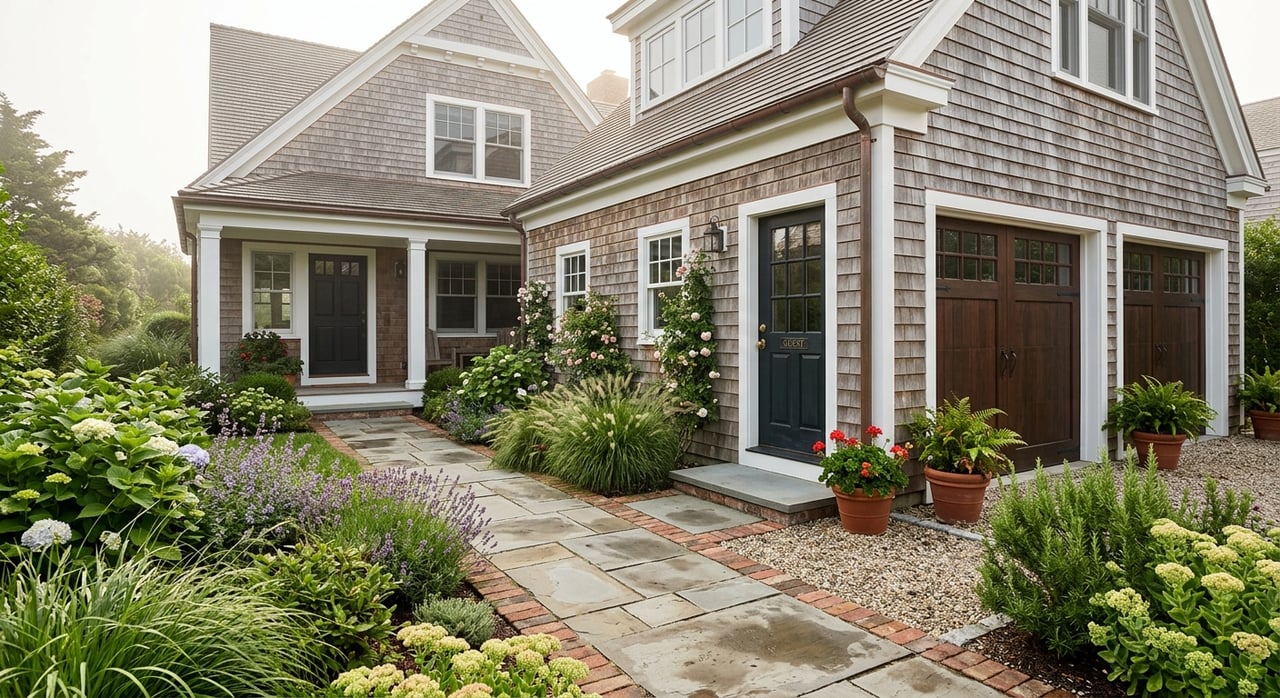
Wondering whether a seasonal or short-term rental in Westport could make sense for you? It is a smart question, especially in a coastal town where summer demand, beach access, and premium homes can create very different opportunities from a standard year-round lease. If you are thinking about buying, leasing, or using a property this way, this guide will help you understand the rules, the timing, and the pricing signals that matter most in Westport. Let’s dive in.
Westport’s Rental Market at a Glance
Westport has strong appeal as a seasonal rental market, and the town’s beach calendar helps explain why. According to the town’s beaches page, lifeguards are on duty at Compo and Burying Hill from Memorial Day weekend through Labor Day weekend, and beach emblems or daily parking fees apply from May 1 through September 30.
That seasonal pattern shows up in short-term rental pricing. Airbnb’s Westport house rental data shows average nightly prices ranging from $397 in February to $716 in July, while its family-friendly Westport page also shows stronger summer pricing in June, July, and August. Vrbo’s Westport market page describes April to May and July as peak periods and notes that January, February, and October are off-peak.
What Counts as Short-Term in Connecticut
Before you focus on income potential, it helps to understand the basic state framework. The Connecticut Department of Revenue Services says the room occupancy tax is 15% for short-term home rentals and applies to stays of 30 consecutive calendar days or less.
Once a stay reaches the 31st consecutive day, that tax no longer applies. That makes the difference between a 3-week stay and a 1-month-plus stay important from both a tax and planning standpoint.
Westport Short-Term Rental Rules
Connecticut now allows municipalities to adopt ordinances requiring licensure of short-term rentals and to regulate how they operate. You can see that authority in the current Connecticut statutes.
In Westport, the public zoning and subdivision regulations page shows regulations last revised on April 12, 2024. Based on the research available from that public document, there was no verified Westport-specific chapter clearly dedicated to short-term rentals, Airbnb, transient use, or rooming-house references.
That does not mean every property can automatically be used as a seasonal or short-term rental. It means you should confirm the town’s current interpretation before listing or purchasing with that strategy in mind. Westport’s Planning and Zoning Department is the right office to contact for guidance on how local zoning regulations are enforced.
Why Seasonality Matters in Westport
In many towns, rental demand is fairly steady throughout the year. Westport is different because its coastal lifestyle creates a more pronounced seasonal curve.
Beach access is a major driver. When beach season is active, visitor interest tends to rise, and so does competition for well-located homes. Compo Beach also limits daily passes to 125 per day, which can shape guest expectations and make location, parking, and planning more important.
For owners and buyers, this means your strongest income window may be concentrated in late spring and summer rather than spread evenly across all 12 months. That can be a real opportunity, but it also means you should not judge a property based only on peak July pricing.
Westport Rental Pricing Benchmarks
A clear way to evaluate a rental strategy is to compare short-term potential against the town’s broader rental market. For conventional leases, a Brown Harris Stevens report using SmartMLS and Greenwich MLS data found that Westport single-family rentals averaged $8,050 per month in January through June 2024, while Westport condo rentals averaged $5,613 per month. Across Lower Fairfield County, 2-to-4-bedroom houses averaged $6,945 per month according to the same 2024 summer rental report.
Westport’s own affordable housing FAQ lists a median condo or apartment rent of $4,300 per month including utilities. That is a useful reminder that even long-term rentals in Westport sit at a relatively high price point.
On the short-term side, pricing can vary dramatically. Airbnb’s Westport house page shows average nightly rates from $397 to $716 depending on season, while listing examples on Vrbo show premium homes at much higher starting prices, including a 7-bedroom summer estate starting at $1,850 per night. The big takeaway is simple: Westport has a wide pricing range, and home type, location, amenities, and season all matter.
Short-Term vs. Seasonal vs. Conventional Lease
If you are weighing your options, think about each rental model in terms of income, effort, and predictability.
| Rental Type | Typical Timeframe | Key Advantage | Key Consideration |
|---|---|---|---|
| Short-term rental | 30 days or less | Higher nightly rate potential | 15% room occupancy tax applies |
| Seasonal rental | Often tied to summer demand | Can capture peak beach-season demand | Revenue may be concentrated in a few months |
| Conventional lease | Longer-term monthly rental | More stable occupancy and simpler operations | May produce lower upside than peak summer pricing |
A short-term strategy may look attractive on paper, but higher rates do not automatically mean higher net income. You still need to account for vacancy risk, cleaning, turnover, taxes, insurance, and the day-to-day logistics of guest stays.
Questions to Ask Before Listing
If you own a property in Westport or you are considering buying one for rental use, start with a few practical questions.
Is the use allowed for this property?
This is the first question because it affects everything else. Since the public zoning page did not clearly verify a dedicated short-term rental chapter, you should confirm your property’s status directly with the town before moving forward.
Does the net income beat a conventional lease?
Comparing headline summer rates to an annual lease is not enough. You need to compare net income after taxes, turnover costs, operating expenses, and likely vacancy periods.
Can the property handle guest turnover?
Parking, access, and guest flow matter more in a beach-oriented market. Westport’s beach rules, parking fees, and limited daily passes at Compo make it important to give guests clear instructions and realistic expectations.
Do insurance or property rules create limits?
You should also confirm whether your insurance coverage, condominium rules, or any private property restrictions support the type of rental use you want. That kind of due diligence can save time and reduce risk before you market the property.
What Buyers Should Watch For
If you are shopping for a property with seasonal or short-term rental potential, focus on practical fit rather than just headline appeal. A beautiful home near the shoreline may still need the right parking setup, guest-friendly layout, and a use profile that aligns with local interpretation.
It also helps to look at the property through both lenses: personal enjoyment and rental performance. In Westport, that balance matters because some buyers want a second home they can enjoy part of the year while also exploring income opportunities when they are away.
What Sellers and Owners Should Know
If you already own in Westport, the current market may create a reason to revisit your options. Depending on your home, a seasonal or short-term approach could be worth exploring, especially if your property appeals to summer visitors or beach-oriented renters.
At the same time, not every home is best suited for this model. In some cases, a conventional lease may offer a cleaner, more predictable path. The right answer depends on your property, your goals, and how comfortable you are with the operational side of guest turnover.
A Thoughtful Strategy Matters
Seasonal and short-term rentals in Westport can offer real upside, but they work best when you approach them with clear expectations. The strongest results usually come from matching the property to the right rental model, understanding the local seasonal cycle, and verifying the rules before you act.
If you want help evaluating whether a Westport home is better suited for seasonal use, short-term stays, or a more traditional lease, Lovisa Wisdom offers thoughtful, local guidance tailored to your goals.
FAQs
What is considered a short-term rental in Connecticut?
- A short-term rental generally refers to a stay of 30 consecutive calendar days or less, and Connecticut’s 15% room occupancy tax applies to those stays.
Are short-term rentals clearly defined in Westport zoning regulations?
- Based on the publicly available Westport zoning and subdivision regulations page in the research, a dedicated short-term rental chapter was not verified, so you should confirm current interpretation with Westport Planning and Zoning.
When is peak seasonal rental demand in Westport?
- Peak demand generally aligns with beach season and summer, with Airbnb and Vrbo data showing stronger pricing and activity in late spring and summer.
How do Westport short-term rental prices compare with long-term rentals?
- Short-term rates can be much higher on a nightly basis, especially in summer, while conventional Westport single-family rentals averaged $8,050 per month in the first half of 2024 according to the cited market report.
What should Westport owners review before offering a seasonal rental?
- Owners should review zoning interpretation, tax compliance, expected net income, parking and guest logistics, insurance coverage, and any property-specific restrictions before listing.