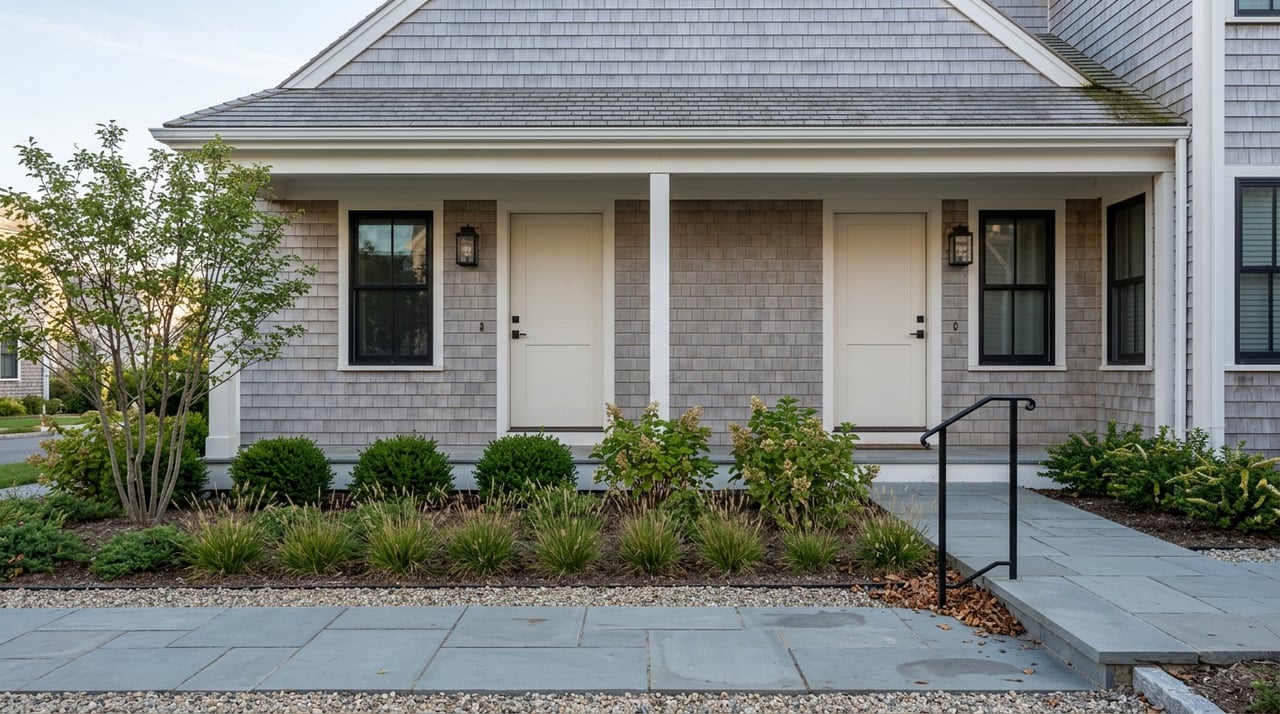
If you love New Canaan but do not want the upkeep that can come with a larger property, condo and townhouse living may be the right fit. For many buyers, the appeal is simple: you get easier day-to-day maintenance, access to downtown, and a more flexible lifestyle without stepping away from the town itself. If you are weighing attached living in New Canaan, this guide will help you understand what the experience is really like, what to look for, and which questions matter most. Let’s dive in.
Why attached living works in New Canaan
New Canaan offers something many suburban towns do not: a genuinely walkable center. According to town planning materials, the downtown area has a Walk Score of 84, and the town newsletter notes there are more than 20 miles of sidewalks leading into downtown. The town center is also described as a place where you can reach dinner, dessert, a movie, or live music on foot, based on the town's planning appendix.
That matters because condo and townhouse living in New Canaan is not a separate lifestyle from the rest of town. In many cases, it is simply a lower-maintenance way to enjoy the same village rhythm, with easier access to shops, restaurants, services, and the train. For buyers who value convenience, that can be a major advantage.
What the lifestyle feels like
For many people, attached living here is about simplifying daily life. You may have less exterior work to manage, less yard upkeep, and a more practical lock-and-leave setup for travel, busy workweeks, or second-home use. That can be especially appealing if you want to stay active in town without taking on the demands of a larger property.
New Canaan also supports that lifestyle with amenities that fit everyday needs. The town has parks including Waveny, Mead Memorial, Kiwanis, and Dixon Memorial, and it also offers the Lapham Community Center for residents age 21 and older. These kinds of nearby amenities can add real value to a lower-maintenance home choice.
Commuting is another part of the picture. New Canaan has two Metro-North stations. The main New Canaan station is accessible and includes ticket machines, a waiting area, and restrooms, while Talmadge Hill is ramp-accessible but more limited in its amenities.
What condo and townhouse inventory looks like
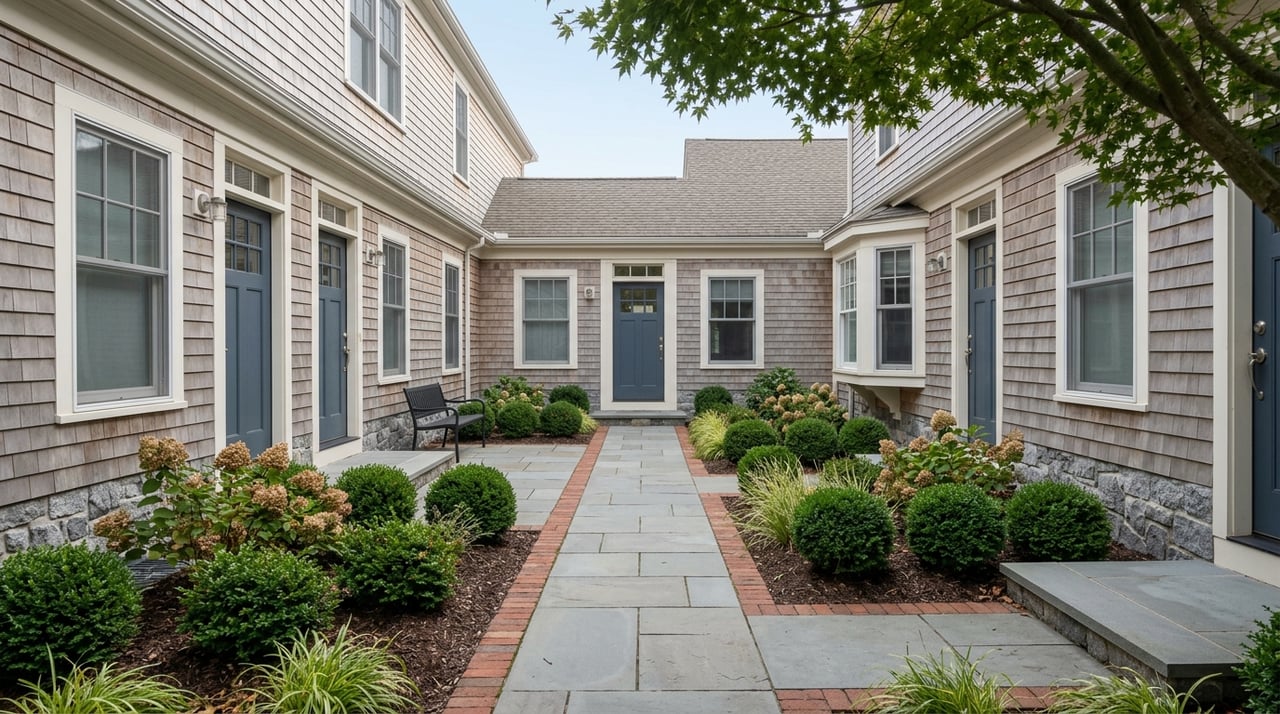
New Canaan’s attached-home inventory is not dominated by large apartment-style buildings. Instead, the market tends to feature townhouse-style communities and low-rise condo settings. That gives the local inventory a more residential feel, but it also means your experience can vary significantly depending on the address.
Examples in town include Oenoke Village, a 160-unit townhouse-condo community with one-, two-, and three-bedroom homes, a pool, and private parking. Other examples noted in the research include Canaan Close, a 35-unit community on seven wooded acres with a heated pool, gardens, and walking trails, along with Bristow Mews and Canaan Mews, both described as close to the village and other daily conveniences.
The key takeaway is that this market is limited, location-sensitive, and amenity-variable. Some communities offer a more wooded setting and shared amenities like trails or a pool, while others place a premium on being close to downtown and the train. If you are shopping in this segment, small differences in location can shape your lifestyle more than you might expect.
Walkability and location matter most
In New Canaan, the biggest distinction between one attached home and another is often not size alone. It is proximity. A home near downtown may support a more walkable routine, while one farther out may trade that convenience for a quieter or more landscaped setting.
This is why buyers often start with a few practical questions:
- How close is the home to downtown?
- Can you comfortably reach the train from the property?
- Is the setting more village-oriented or more tucked away?
- What kind of parking comes with the unit?
- Are there shared amenities that match your lifestyle?
These are not minor details. In a town where the center plays such a strong role in daily life, location can influence your routine as much as the home itself.
Condo living versus single-family ownership
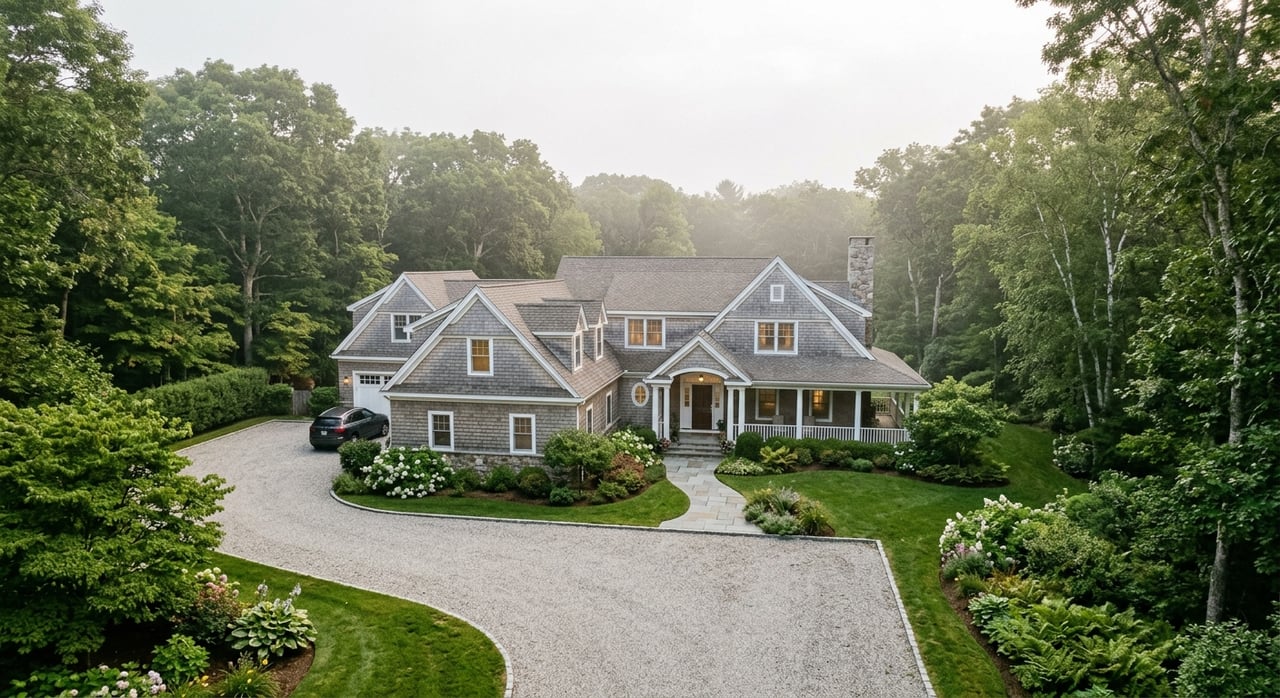
If you are deciding between an attached home and a single-family home in New Canaan, the tradeoff usually comes down to convenience versus autonomy. A condo or townhouse often gives you less exterior maintenance, less yard work, and an easier setup for travel or downsizing. That can make ownership feel simpler and more manageable.
A single-family home, on the other hand, may offer more land, more private outdoor space, and fewer association rules. Buyers who want greater control over exterior changes or who prefer a larger yard often lean toward the broader single-family market.
Neither option is inherently better. It depends on how you want to live. In New Canaan, attached living is best understood as a practical lifestyle choice for buyers who value walkability, a more streamlined routine, or easier ownership near the town center.
Why HOA review is so important
When you buy a condo or townhouse, you are not only buying the unit. Under Connecticut’s Common Interest Ownership Act, you also own an undivided interest in the common elements. That means the association plays an important role in how the property is managed and how shared expenses are handled.
This is why due diligence matters so much. Association budgets are required to show reserves and projected common-expense assessments, which can give you insight into the community’s financial planning. A well-reviewed HOA package can help you better understand both your monthly costs and your future risk.
Questions to ask about common charges
Common charges are one of the first things buyers notice, but the monthly number alone does not tell the whole story. You will want to understand what those charges actually cover and whether the association appears to be planning responsibly.
As part of your review, consider asking:
- What do the common charges include?
- How much is held in reserves?
- Has the association discussed major upcoming projects?
- Are there recent or expected special assessments?
- What maintenance responsibilities stay with the owner?
Special assessments deserve extra attention. According to a Connecticut legislative summary, unless the declaration or bylaws say otherwise, certain special assessments can take effect without unit-owner approval if they stay within specific limits tied to the association’s last adopted budget. That makes it important to look beyond the current monthly fee.
Rules that can affect daily living
Many buyers are surprised by how much association rules can shape the ownership experience. Under Connecticut law, associations can have authority over exterior changes to units or other portions of the property, and rental restrictions may also be included in the declaration or adopted by rule, as outlined in state statute.
In practice, that means you should ask early about renovation approvals, exterior modifications, leasing rules, and parking policies. Even in a smaller community, these details can affect your flexibility. If you plan to update a kitchen, rent out the property later, or need specific parking arrangements, those answers matter.
Insurance and risk review
Insurance is another area where condo buyers should take a close look. Connecticut law requires associations to carry insurance on the common elements and related liability and fidelity coverage. Flood insurance is also required if the property is in a flood hazard area, according to state insurance provisions.
That is why reviewing the master policy is such an important step. You will want to understand what the association covers, where your own unit policy begins, and whether there are any gaps that need additional attention. This is one of those details that can feel technical, but it plays a big role in protecting your investment.
A smart way to evaluate options
Because the condo and townhouse market in New Canaan is relatively limited, it helps to compare homes with a clear framework. Instead of focusing only on finishes or square footage, look at the bigger picture of how each property supports your routine.
A simple evaluation checklist can help:
- Distance to downtown and Metro-North
- Community setting and overall feel
- Parking setup and guest parking
- Amenities such as pools, trails, or gardens
- HOA reserves and budget health
- Rules on rentals, renovations, and exterior changes
- Insurance structure and master policy details
This approach can help you separate a home that merely looks appealing from one that truly fits your needs.
Attached living is a lifestyle choice
New Canaan’s planning documents make clear that smaller homes and housing near downtown are part of the town’s broader housing conversation, including areas near transit-served parcels. As noted in the town’s housing study materials, attached living is part of an ongoing local planning discussion, not an unusual exception.
That is an important point for buyers. A condo or townhouse in New Canaan is not a fallback option. It is often a deliberate choice for people who want access to town, easier maintenance, and a more flexible ownership experience.
If you are exploring condos or townhouses in New Canaan, the right guidance can help you look beyond surface appeal and make a confident decision about location, community rules, and long-term fit. When you are ready to talk through your options, connect with Lovisa Wisdom for thoughtful, personalized guidance across New Canaan and Fairfield County.
FAQs
What is condo and townhouse living like in New Canaan?
- Condo and townhouse living in New Canaan is typically lower-maintenance and often tied to a walkable, town-centered lifestyle with access to downtown, parks, and Metro-North.
What types of condo communities are common in New Canaan?
- New Canaan’s attached-home inventory is usually made up of townhouse-style communities and low-rise condo properties rather than large apartment buildings.
What should buyers review in a New Canaan HOA budget?
- You should review what common charges cover, reserve levels, projected assessments, and whether the association appears financially prepared for future repairs or capital projects.
Are there rules on renovations or rentals in New Canaan condo communities?
- Yes. Connecticut law allows associations to regulate certain exterior changes, and rental restrictions may also exist in the community’s governing documents or adopted rules.
How important is train access for New Canaan condo buyers?
- Train access can be a major factor because many buyers choose attached living in New Canaan for convenience, walkability, and an easier commute through the town’s Metro-North stations.