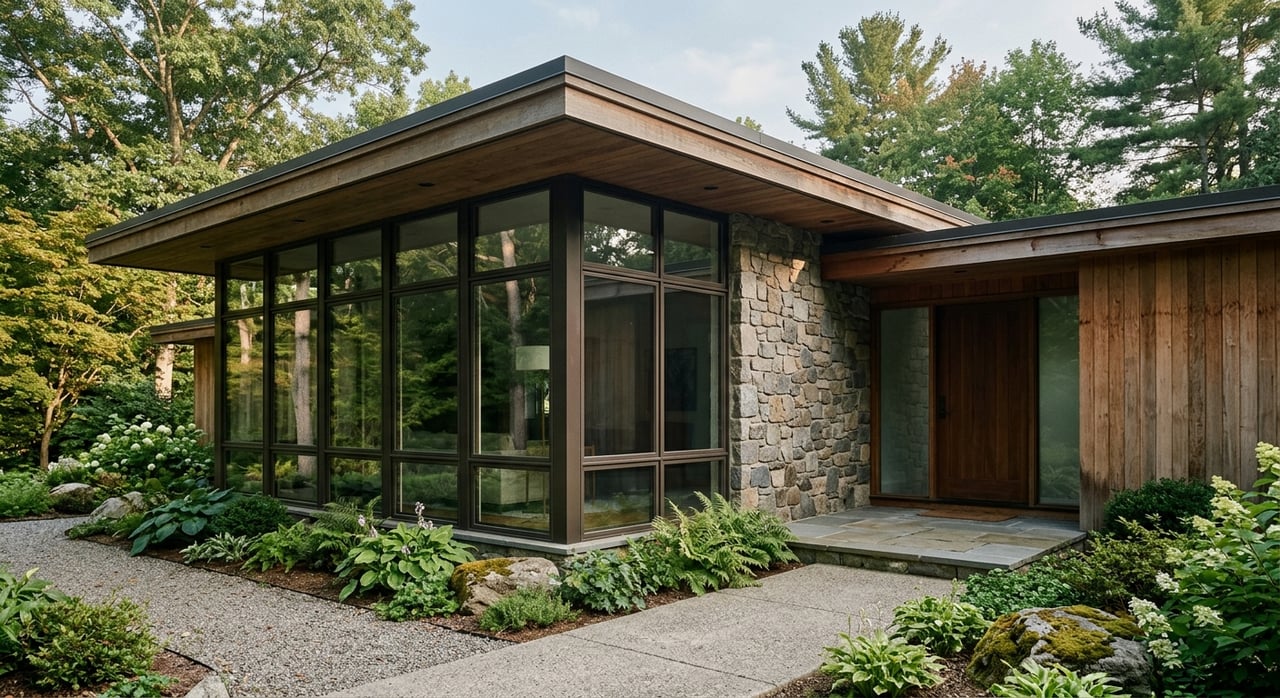
Curious why one New Canaan street can feel rooted in early New England while another reveals a glass-filled modern landmark or a newly built luxury home? That mix is part of what makes this market so compelling. If you are buying, selling, or simply trying to understand what shapes home value here, it helps to know how New Canaan’s architecture developed and what each style can mean for daily living. Let’s dive in.
Why New Canaan Has So Many Styles
New Canaan is not a one-style town. Settled around 1715 and incorporated in 1801, it grew through agricultural, milling, shoemaking, railroad, and estate-building periods, so its homes reflect several chapters of local history rather than one dominant look.
That layered history is easy to see in the local historic district, which was created in 1963. The district includes 21 properties around God’s Acre, Oenoke Ridge, Main Street, Park Street, Seminary Street, and St. John Place, with building dates that range from the 1730s to the 1960s.
For you as a buyer or seller, that variety matters. It shapes curb appeal, maintenance expectations, renovation options, and the way homes are positioned in the market.
Colonial Roots Still Matter
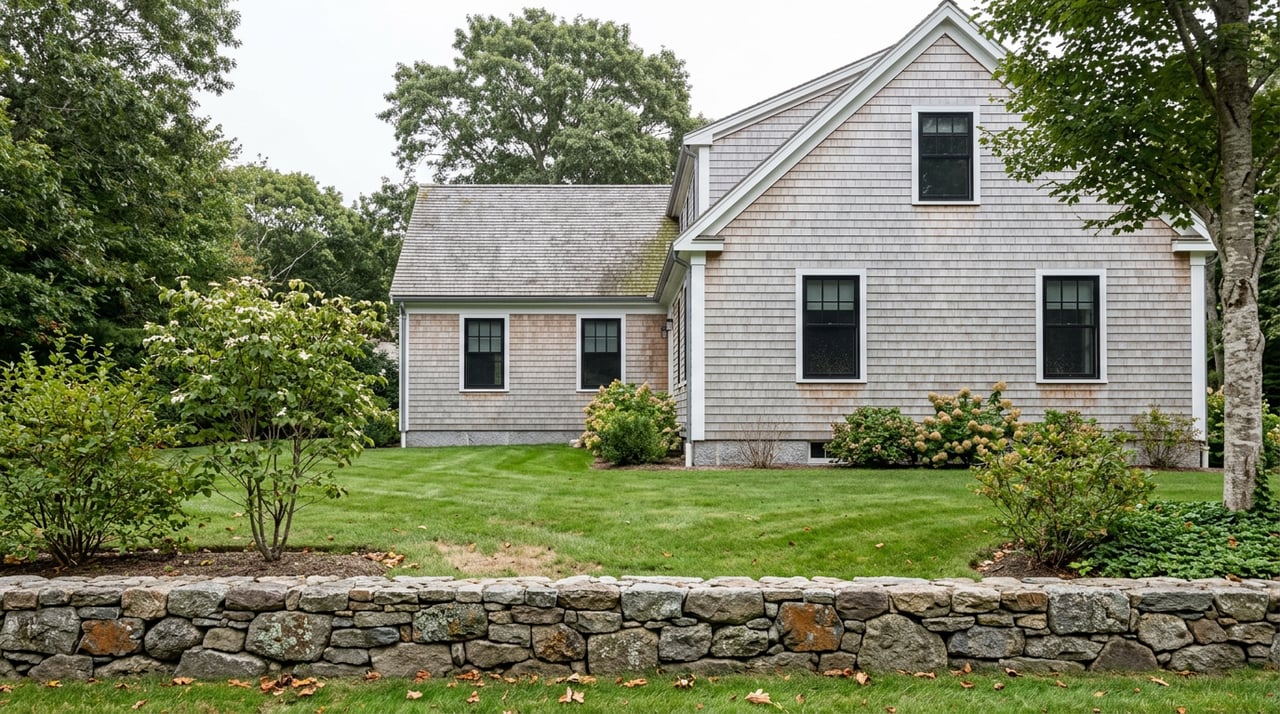
Some of New Canaan’s oldest homes reflect the broader New England architectural tradition. In practical terms, that often means symmetry, center entrances, clapboard or shingle exteriors, and multi-pane sash windows.
Earlier forms may also include central chimneys and simpler rooflines. Connecticut preservation materials also identify saltbox and Cape Cod houses as common colonial-era forms, with the Cape typically featuring a central chimney and central entry.
In New Canaan, the term “Colonial” can work as local shorthand for several related styles rather than one exact formula. Homes from different periods may share a traditional appearance even when their historical origins are not identical.
What colonial-style homes often offer
If you are drawn to traditional homes, these properties often appeal for their sense of permanence and architectural detail. Depending on the house, you may find:
- Formal or more compartmentalized room layouts
- Historic trim and older window patterns
- Traditional facades with balanced proportions
- Exterior materials that may need periodic upkeep
That does not make them better or worse than newer homes. It simply means the lifestyle and maintenance profile can feel different from a more open, contemporary design.
Historic District Areas To Know
If you want to see New Canaan’s earliest architectural layers in one walkable area, the local historic district is the clearest place to start. The historic core includes properties near God’s Acre, Oenoke Ridge, Park Street, Main Street, Seminary Street, and St. John Place.
Within that area, you can find 18th-century houses, 19th-century churches and rectories, and even mid-20th-century additions to the district fabric. That range helps explain why New Canaan feels historically rich without looking frozen in one period.
For sellers, location near this historic core can be an important part of a home’s story. For buyers, it can offer a more traditional streetscape and a stronger connection to the town’s earliest built environment.
Midcentury Modern Put New Canaan On The Map
If Colonial traditions reflect New Canaan’s earliest chapter, midcentury modern architecture represents the style that brought the town national attention. After World War II, the architects known as the Harvard Five moved to New Canaan and helped turn it into a center of experimental modern residential design.
By the end of 1952, more than 30 modern houses had been built in town. By the end of the 1970s, that number had grown to more than 100.
This is why New Canaan holds such a strong place in conversations about American residential modernism. The town did not just adopt the style. It became one of its most visible settings.
What defines a New Canaan modern home
Modern architecture in New Canaan is often associated with:
- Long, low horizontal forms
- Large expanses of glass
- Floor-to-ceiling windows
- Open floor plans
- Picture windows and sliding glass doors
- A strong connection between indoor and outdoor space
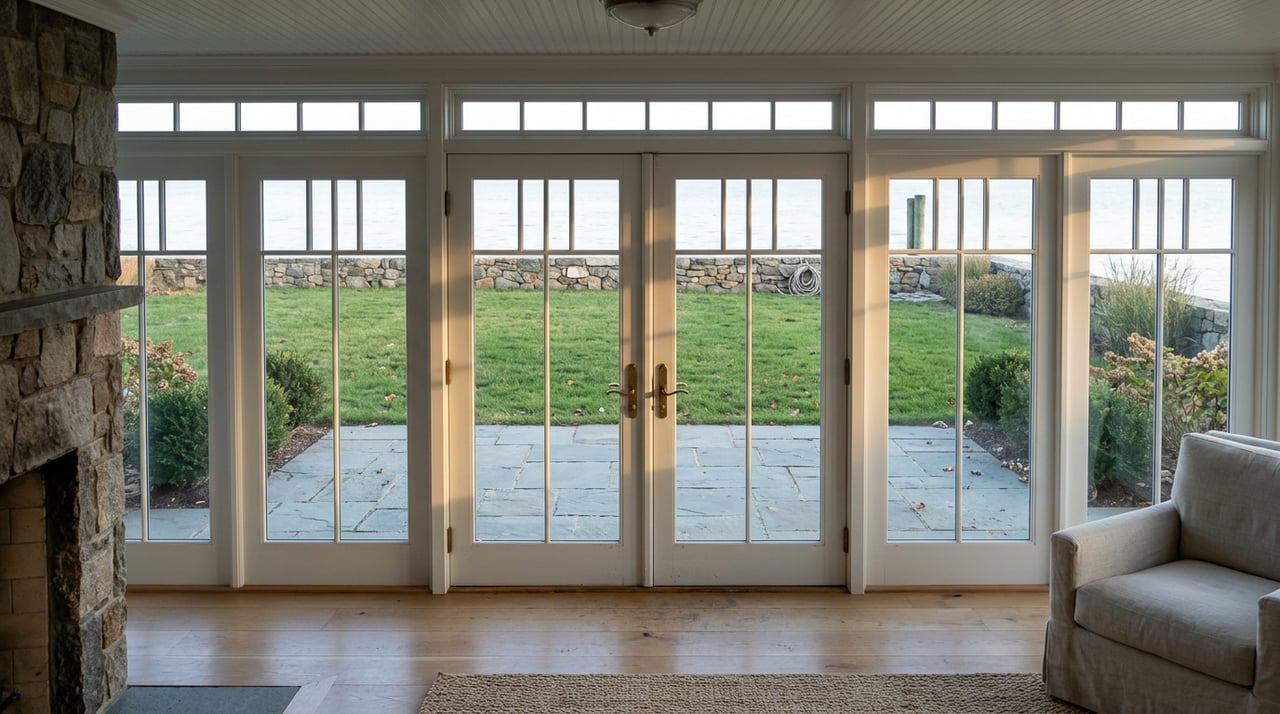
In everyday terms, these homes often feel bright, open, and landscape-oriented. Instead of ornament, the design focus tends to be on light, proportion, materials, and how the home sits on the site.
Local modern landmarks
Several notable examples help define New Canaan’s midcentury identity. The Glass House and Rogers Studio are National Historic Landmarks in town, while the Glass House, Gores Pavilion, and Hodgson House are recognized on the National Register.
Even if you are not shopping for a landmark property, these homes shape how buyers think about New Canaan. They reinforce the town’s reputation for serious design, architectural ambition, and a modern sensibility that still influences newer homes today.
Where You’ll Find Different Home Types
New Canaan’s architecture is spread across the town rather than confined to one simple map. Still, some broad location patterns can help you narrow your search.
Older homes and historic character
The highest concentration of early architecture is near the historic district core. If you are looking for traditional New England forms and more formal historic streetscapes, this area is the most obvious place to begin.
Midcentury modern homes
Modern homes are not limited to one small pocket. The town-wide survey of New Canaan modern houses shows that architect-designed modern homes appear throughout New Canaan, so you may encounter them on many residential roads rather than in one named section.
New construction and redevelopment
Newer homes are more likely to appear on redevelopment sites, larger estate parcels, or downtown parcels that can be repurposed. In other words, new construction here often comes through teardown-and-rebuild projects, subdivisions of larger properties, or carefully placed infill rather than large new neighborhood developments.
What New Builds Look Like Today
New Canaan remains primarily a detached-home market. Town planning data in the 2024 POCD appendix shows that 72.4 percent of housing units were single-family detached, while 82.3 percent of units were built before 2000.
That older housing base helps explain why new construction stands out. Since 2015, the town added a net 127 housing units, which points to measured change rather than rapid large-scale expansion.
Recent projects also show the pattern clearly. A 2025 downtown project at 15 Burtis Avenue broke ground on 21 residences on an underused parcel, while another 2025 approval converted a 32-acre former estate on Brookwood Lane into a nine-lot subdivision.
Why newer homes still feel tied to New Canaan
Even when a home is brand new, it may still reflect the town’s architectural legacy. One recent downtown development was described as being informed by New Canaan’s own design heritage and by the modernists’ emphasis on simplicity, human-centered design, and connection to the landscape.
That is useful context if you are comparing new construction with older homes. In New Canaan, new does not always mean disconnected from place. In many cases, it still borrows ideas that buyers already associate with the town.
How Architecture Affects Daily Living
Architecture is not just about looks. It can shape how a home feels, how it functions, and how much work it may require over time.
Older Colonial-era and Colonial Revival homes may offer more defined rooms, historic detailing, and traditional curb appeal. They may also require more ongoing exterior maintenance, especially when original-style materials or older windows are part of the home’s character.
Midcentury homes often trade decorative detail for openness, daylight, and custom structural design. That can create beautiful living spaces, but it can also mean you should pay close attention to specialized materials, large glass areas, and unique building details.
New construction often reduces near-term repair needs because systems and materials are newer. On the other hand, newer homes may come at a higher purchase price and may not have the mature landscaping that older properties often enjoy.
What Buyers Should Know About Historic District Rules
If a home is inside New Canaan’s local historic district, exterior work may involve more than personal preference. The district regulations require a certificate of appropriateness before exterior architectural changes.
The commission reviews factors such as appearance, materials, components, finishes, measurements, construction methods, scale, and spatial relationships. Interior features and paint color are not under that commission’s jurisdiction.
That does not mean buying in the district is complicated by definition. It means you should understand the review process before planning exterior changes so your expectations match the property’s setting.
How To Choose The Right Architectural Fit
The best style for you depends on how you want to live. A traditional home may appeal if you love historic detail, formal rooms, and established streetscapes.
A midcentury modern home may make more sense if you value natural light, open space, and architecture that feels closely tied to the landscape. A newer home may be the better fit if you want updated systems, contemporary finishes, and less immediate maintenance.
For sellers, understanding these differences also helps with pricing and presentation. Buyers are not just comparing square footage. They are comparing lifestyle, upkeep, design, and the long-term experience of owning the home.
New Canaan’s real advantage is choice. Within a few miles, you can find colonial survivals, Colonial Revival houses, modernist icons, and new luxury infill, each offering a different version of home.
If you are weighing your options in New Canaan, working with someone who understands how architecture, location, and buyer expectations intersect can make your next step much clearer. Lovisa Wisdom offers thoughtful, high-touch guidance for buyers and sellers across Fairfield County, with the local insight and personal service that help you move forward with confidence.
FAQs
What architectural styles are most common in New Canaan homes?
- New Canaan buyers commonly encounter Colonial-era homes, Colonial Revival houses, midcentury modern properties, and newer construction created through redevelopment, subdivision, or infill.
Where are historic homes most concentrated in New Canaan?
- The clearest concentration of older historic architecture is in and around the local historic district near God’s Acre, Oenoke Ridge, Main Street, Park Street, Seminary Street, and St. John Place.
Where can buyers find midcentury modern homes in New Canaan?
- Midcentury modern homes appear throughout New Canaan rather than in a single small enclave, so design-focused properties may be found on many residential roads across town.
What should buyers know about renovating a home in New Canaan’s historic district?
- If a home is in the local historic district, exterior architectural changes require a certificate of appropriateness, while interior features and paint color are not reviewed by the district commission.
Are most New Canaan homes older or newly built?
- Most are older, with town data showing that 82.3 percent of housing units were built before 2000 and that detached single-family homes make up the largest share of the housing stock.
What are the tradeoffs between older homes and new builds in New Canaan?
- Older homes often offer historic detail, traditional layouts, and mature surroundings, while new builds may offer newer systems and lower immediate repair needs but can come with higher prices and less mature landscaping.