Wondering whether Weston is the right fit if you want more space, more privacy, and a quieter day-to-day setting? If you are comparing Fairfield County towns, it can be hard to tell which market truly delivers a lower-density lifestyle and which one simply carries a higher price tag. This guide breaks down how Weston compares with Wilton, Westport, and New Canaan so you can see where it stands on pricing, inventory, housing pattern, and everyday feel. Let’s dive in.
Weston at a glance
For quiet-living buyers, Weston sits in a distinct middle ground. As of spring 2026, typical home values were about $1.375 million in Weston, compared with $1.252 million in Wilton, $1.991 million in Westport, and $2.139 million in New Canaan.
That means Weston is currently less expensive than Westport and New Canaan, while pricing slightly above Wilton. If your goal is to balance privacy with a still-premium Fairfield County address, that positioning makes Weston especially worth a closer look.
Inventory is also relatively tight. Weston had 28 homes for sale, compared with 43 in Wilton, 55 in Westport, and 56 in New Canaan.
A smaller number of available homes can make the search feel more selective. For buyers, that often means it is important to move with a clear plan and a realistic sense of what matters most.
Why Weston feels quieter
Two-acre zoning shapes the market
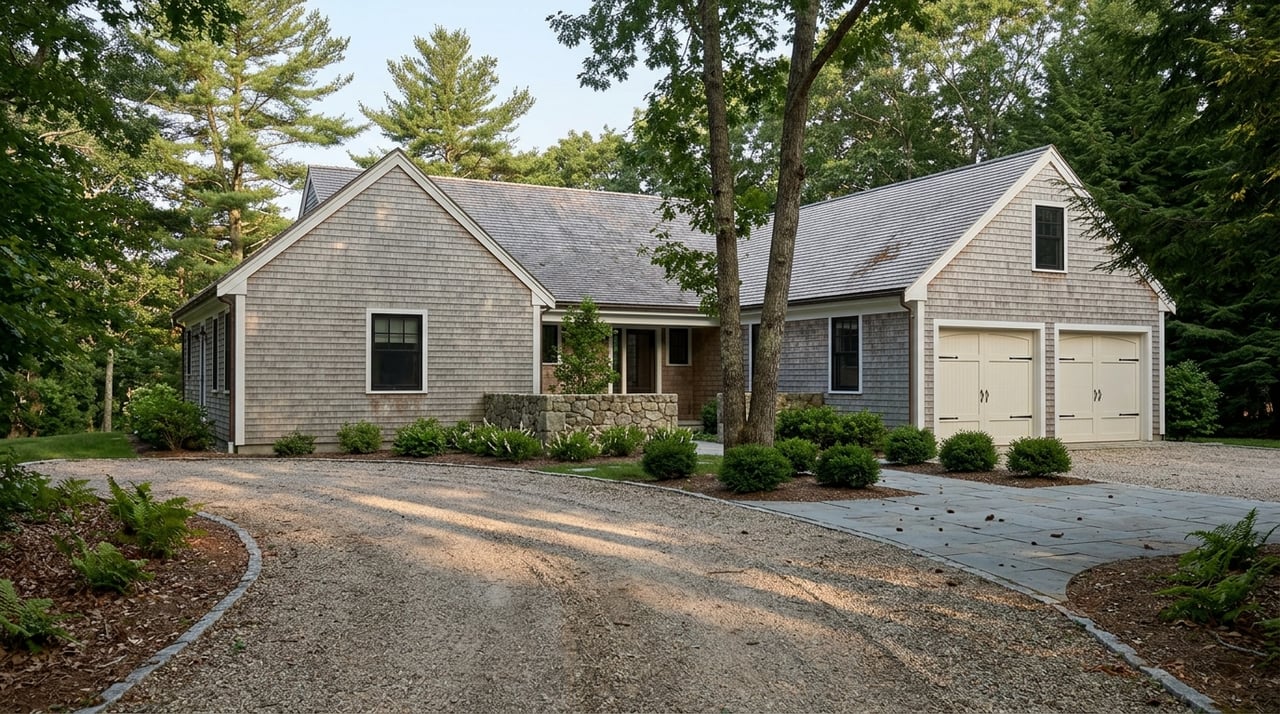
Weston’s residential zoning helps explain why the town feels different from nearby options. The town requires a two-acre minimum lot area in its residential district, along with a lot shape that can contain a 170-by-200-foot rectangle and substantial setbacks.
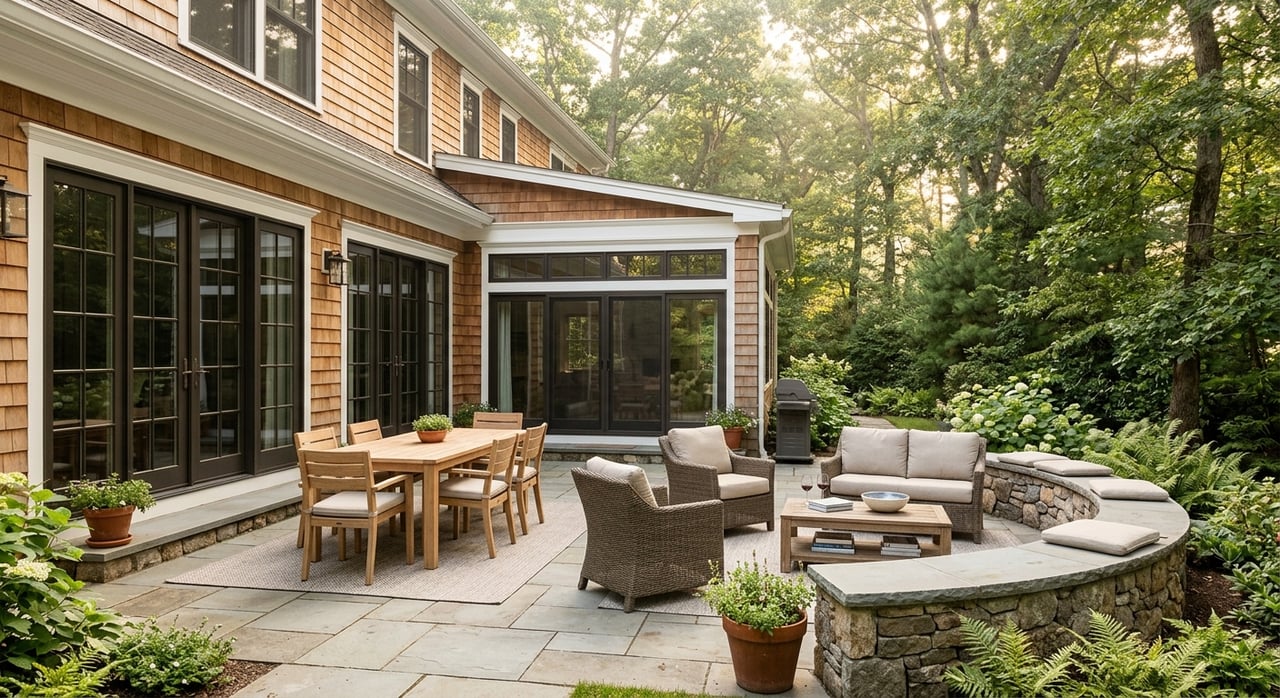
In practical terms, that creates a more spread-out development pattern. Homes tend to sit on larger parcels, and the zoning floor itself points to a more estate-style, low-density environment.
Housing is overwhelmingly single-family
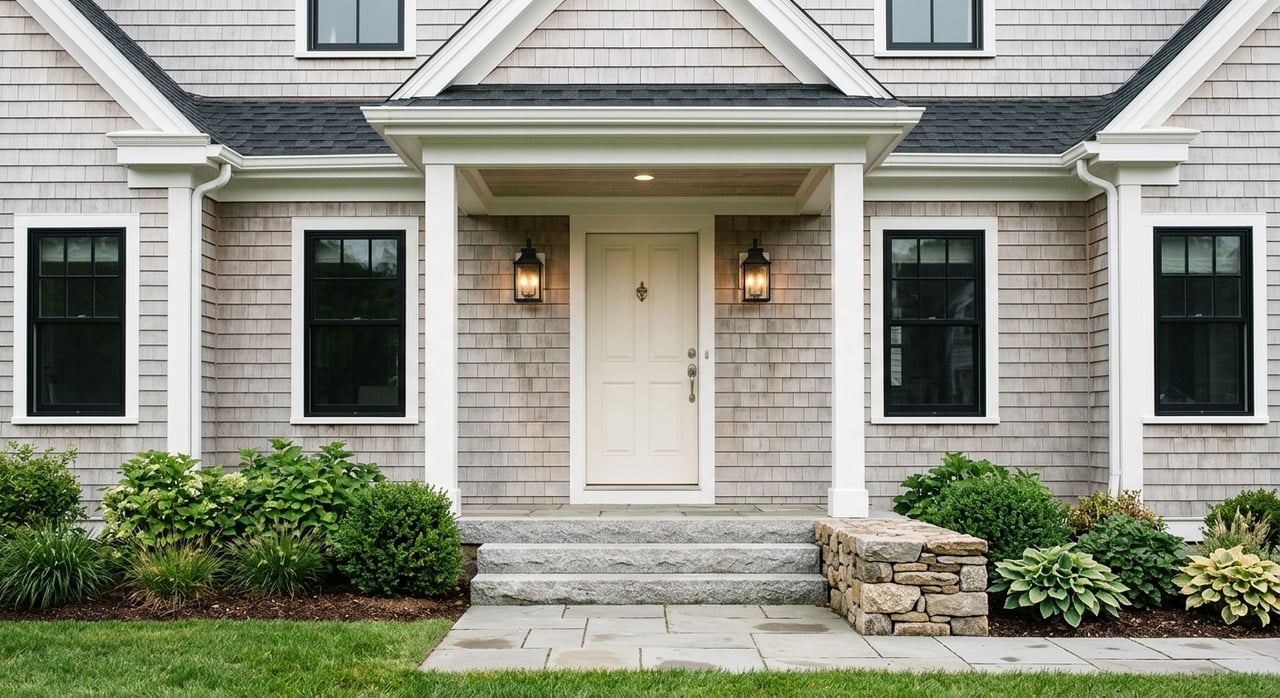
Weston’s planning materials describe a housing stock that is almost entirely detached homes. About 98.5% of housing units are single-family detached, and only 21 new housing units have been built since 2010.
That tells you two important things. First, the built environment is very consistent. Second, change tends to happen slowly, which can appeal to buyers looking for a stable setting rather than a fast-evolving one.
Open space supports a low-density feel
More than 28% of Weston’s land area is dedicated to open space and recreation, according to town planning materials. That land-use pattern reinforces the town’s quiet-living identity.
You are not just buying a house in Weston. You are buying into a landscape where open land plays a meaningful role in the overall feel of the town.
Owner occupancy is exceptionally high
Weston also stands out for owner occupancy. About 96.9% of housing units are owner-occupied, compared with 87.8% in Wilton, 87.1% in Westport, and 83.6% in New Canaan.
For buyers, that can signal a relatively stable and low-turnover market. It does not guarantee how any one area will feel, but it supports Weston’s broader reputation as a town where homes are often held for the long term.
How Weston compares with nearby towns
Weston vs. Wilton
Wilton is the closest alternative if you want privacy but need a bit more flexibility in housing choice and commuting options. Its zoning still leans toward larger lots, but it is more varied than Weston’s. Wilton includes districts requiring 1 acre and 0.8 acres of contiguous land, rather than a blanket two-acre minimum.
Wilton’s housing stock is also more mixed. Town materials say 88.5% of units are single-family homes, with smaller shares in multi-unit buildings as well.
On price, Wilton is slightly lower at about $1.252 million in typical home value. It also had 43 homes for sale, giving buyers a somewhat larger pool to consider than Weston.
For transportation, Wilton offers a meaningful advantage. Wilton station is on the Danbury Branch and has bus connections to HARTransit and Norwalk Transit, while Census QuickFacts reports a mean travel time to work of 35.7 minutes.
If Weston is the clearer privacy-first choice, Wilton is the stronger compromise option. You still get a wooded, low-density setting, but with more variety and better commute support.
Weston vs. Westport
Westport is a very different proposition for quiet-living buyers. It is the most amenity-oriented town in this comparison and comes with a much higher typical home value of about $1.991 million.
Its zoning also allows smaller lots in some districts, including half-acre and one-acre minimums. Compared with Weston’s two-acre baseline, that points to a less uniformly secluded housing pattern.
Westport also offers direct Metro-North New Haven Line service at the Westport station, along with transit amenities and full accessibility. Census QuickFacts puts the mean travel time to work at 40.6 minutes.
If you want stronger station-centered convenience and are comfortable paying a significantly higher price point, Westport may appeal to you. But if your main goal is consistent quiet, space, and lower neighborhood intensity, Weston has the clearer edge.
Weston vs. New Canaan
New Canaan sits at the top of this group on current home value data, with a typical home value of about $2.139 million. It also had 56 homes for sale, which gives buyers more inventory than Weston.
Its zoning is more varied than any of the four towns in this comparison. New Canaan includes residence zones ranging from 4-acre and 2-acre areas down to half-acre, one-third-acre, A, and B zones.
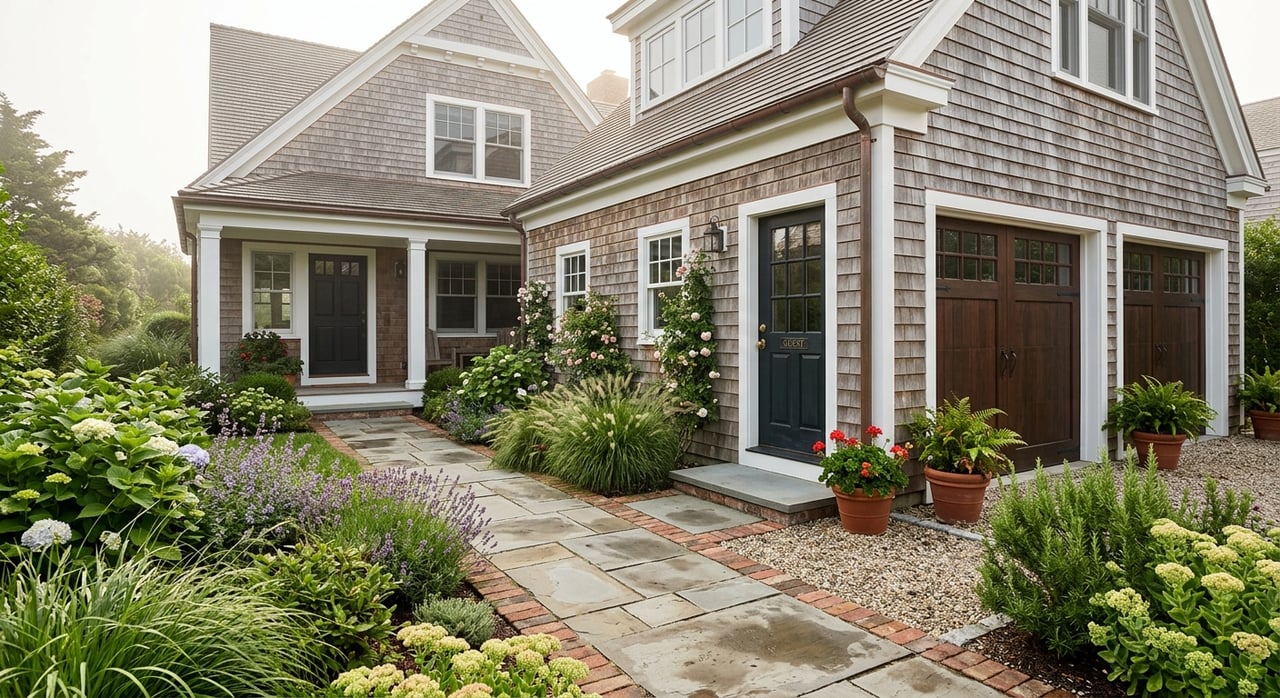
That means New Canaan can feel very estate-like in some places and much more village-like in others. Its housing profile is also more mixed, with 72.4% of units classified as single-family detached and 12.2% in structures with three or more units.
New Canaan also has direct Metro-North service on the New Canaan Branch, and its mean travel time to work is 39.9 minutes. For buyers who want prestige, transit access, and a broader range of neighborhood patterns, it offers more variety. For buyers who want the most consistent low-density experience, Weston remains more straightforward.
What daily life in Weston may mean for you
Weston’s quiet-living appeal comes with trade-offs that matter in real life. Town planning documents note a very limited sidewalk and biking network, and the town lacks bus service.
The current public transportation option is Dial-A-Ride, which serves residents age 60 and older and disabled residents for local trips, mainly medical appointments. For most households, daily life in Weston is heavily car-dependent.
That does not make Weston better or worse. It simply means the town tends to work best for buyers who actively want space, privacy, and a lower-density setting and are comfortable with a drive-oriented routine.
Who Weston fits best
Weston is likely to stand out if you are looking for:
- Larger lot sizes and more separation between homes
- A housing stock dominated by detached single-family properties
- A town with a high owner-occupancy rate and relatively low turnover
- More open land and a less built-up feel
- A quieter setting than nearby higher-priced, more transit-connected towns
By contrast, you may prefer another nearby town if your priorities include:
- More housing variety
- Easier rail access
- More station-centered convenience
- A broader range of lot sizes and neighborhood formats
The bottom line on Weston’s market
When you compare Weston with Wilton, Westport, and New Canaan, its role becomes pretty clear. Weston is the middle-price quiet-living option in this group, with typical values above Wilton but well below Westport and New Canaan.
More importantly, Weston’s two-acre zoning, heavily detached housing stock, high owner occupancy, sizable open-space share, and limited transit all point in the same direction. If you want the most privacy, the most acreage, and the least neighborhood intensity among these four towns, Weston stands out as the clearest fit.
If you are weighing Weston against Wilton, Westport, or New Canaan, the right choice depends on how you balance privacy, price, inventory, and commute needs. If you want help sorting through those trade-offs with local perspective, Lovisa Wisdom offers thoughtful, personalized guidance across Weston and neighboring Fairfield County towns.
FAQs
How does Weston compare with Wilton for quiet-living buyers?
- Weston is generally the more privacy-focused option because of its two-acre minimum lot requirement and more uniformly detached housing stock, while Wilton offers more housing variety and better commute flexibility.
How does Weston compare with Westport on home prices?
- As of spring 2026, typical home values were about $1.375 million in Weston versus about $1.991 million in Westport.
How does Weston compare with New Canaan on neighborhood feel?
- Weston has a more consistently low-density pattern, while New Canaan has a wider mix of zoning districts and housing types that can feel estate-like in some areas and more village-like in others.
What makes Weston feel quieter than nearby towns?
- Key factors include its two-acre minimum zoning, 98.5% single-family detached housing stock, more than 28% open-space and recreation land, and very high owner-occupancy rate.
Is Weston a good fit if you want transit access?
- Weston is less suited to buyers who want regular transit options because the town lacks bus service, has a limited sidewalk and biking network, and is largely car-dependent for daily life.