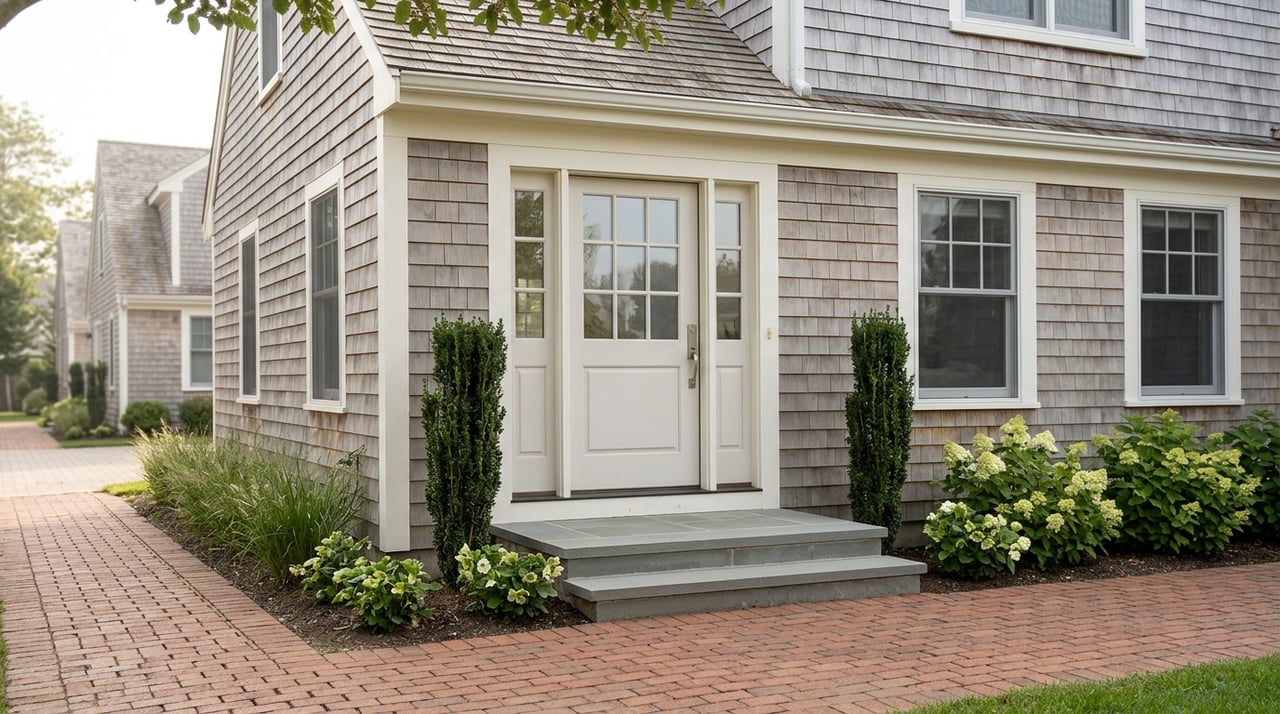
Ready to trade space for simplicity but not sure where to start? If you own a single-family home in Fairfield County, you have more downsizing choices than you might think, from in-town condos to age-restricted communities. Your priorities matter most, whether that is walkability, first-floor living, or staying near your favorite train station. In this guide, you’ll see what each option looks like locally, how to compare costs like taxes and HOA fees, and how to plan a smooth move. Let’s dive in.
Fairfield County market snapshot
Fairfield County is a high-cost suburban market with a wide range of price points by town. Recent county trackers placed the median sale price near $625,000 as of February 2026. Town-level values vary sharply. Wilton and Westport often report typical or median values around the $1.2 million range in public trackers. Darien and New Canaan also sit at the higher end, with a mix of in-town condos and townhome communities that appeal to downsizers and commuters.
For your financial plan, focus on two numbers. First, estimate net proceeds from your home sale based on current, local comps. Second, map your target purchase budget, including property taxes, HOA dues, and any renovation or accessibility updates. Market conditions like inventory and days on market will influence timing, so build in a cushion if you prefer to sell first, then buy.
Your downsizing options
Condominiums
What it is: You own your unit and share ownership of common elements like the roof, hallways, and grounds. The association collects monthly fees for maintenance and amenities. For a quick primer on how condos work, review this clear overview of condos vs townhouses.
Pros:
- Lower exterior maintenance and lock-and-leave living.
- Often close to downtowns and train stations.
- On-site amenities like a pool, gym, or clubhouse.
Cons:
- Monthly HOA fees and rules.
- You depend on the association’s budget, reserves, and governance.
Local feel: In Wilton, communities like Village Walk, Wilton Crest, Crowne Pond, and River Ridge offer lower-maintenance or in-town living. Westport has boutique in-town flats and townhome-style condo buildings, with walkability in exchange for smaller footprints and HOA dues. Darien’s Villager Pond and Pine Brook are examples of townhouse-style condos near shops and the train. In New Canaan, you can find small luxury conversions and condo projects near downtown. Price bands typically range from the mid six figures to low seven figures depending on size, age, and location.
Townhouses
What it is: A multi-level attached home. Ownership can be structured as condominium or fee-simple within a planned community. The ownership form determines who handles exterior elements and how HOA fees are set. Here is a helpful explainer on ownership structures in attached housing.
Pros:
- More privacy and space than many flats or condos.
- If fee-simple, HOA fees can be lower and you control more of the exterior.
- A strong step between a condo and a single-family house.
Cons:
- If exterior maintenance is yours, plan for roof, siding, and landscaping over time.
Local feel: Wilton Crest and Crowne Pond in Wilton include townhouse-style homes. You will also find townhome options across Darien, Westport, and New Canaan. Recent sales in the region often land between the high five figures and low seven figures based on town and age of the development.
55+ and continuing care
What it is: Age-restricted or age-targeted housing for older adults. Formats range from active-adult neighborhoods to continuing care retirement communities that combine independent living with access to assisted living or skilled care if needs change. For a practical overview of choosing a 55+ community in Connecticut, see this guide to active-adult living.
Local availability: Inside the most in-demand downtowns, large-scale 55+ neighborhoods are less common. Many buyers look to independent living or continuing-care campuses nearby, such as options in the Stamford area. For example, you can browse an overview of Edgehill Lifecare in Stamford. If you want a dedicated active-adult neighborhood with robust on-site programming, you may find more choices a bit farther north in Dutchess or Putnam County or in nearby Connecticut towns with senior campuses.
Eligibility note: Communities follow federal HOPA rules and their own bylaws. Confirm age policies and documentation directly with the community.
In-town apartments and flats
What it is: Smaller-footprint living in a downtown core with easy access to shops, dining, and rail. Newer in-town flats in Westport and New Canaan target both downsizers and commuters who value walkability and low maintenance. You will trade a larger yard for convenience and shorter to-do lists.
Best for: If your must-haves include a single-level layout, elevator access, minimal maintenance, and being steps to coffee, this path fits well. In many downtowns, elevator buildings and first-floor primary suites are common features.
Key cost factors to compare
Property taxes by town
Connecticut property taxes are set locally using mill rates, and those rates vary by town. That difference can materially impact your annual carrying costs.
- Wilton: An illustrative FY26 mill rate of about 24.6 mills appears in recent Board of Finance materials. The town’s presentation includes an example showing that a $1,000,000 assessed base at 24.6 mills implies around $24,600 per year. Review the most current document in the Wilton BOF presentation.
- Westport: The Board of Finance approved an 18.86 mill rate for FY25–26. See the published notice in Westport’s document center.
- Darien: The FY25–26 mill rate is in the mid-fifteen range. You can view budget and finance updates on the Darien Board of Finance page.
- New Canaan: Recent budgets show mid-teen mill rates. For historical context and details, review the New Canaan FY25 Budget Book.
State comparison: Effective property tax levels differ between Connecticut and New York, and local variation is large. The Tax Foundation’s Connecticut pages provide helpful policy context if you are weighing CT versus NY.
HOA fees and reserves
HOA dues vary widely based on amenities and what the association covers. A building with an elevator, concierge, and pool will typically cost more than a small garden-style complex. What matters most is the health of the association. Always review the budget, reserve study, and recent meeting minutes. A clear primer on why reserves and rules matter can be found in this condo and townhouse guide.
Sale proceeds and timing
If you plan to sell a higher-priced single-family home and buy a smaller condo or townhouse nearby, your net proceeds and timing will shape your search. In tight markets with low inventory, it can be wise to build a short-term rental plan between sale and purchase. Lifestyle buyers and commuters often pay premiums for turnkey, walkable homes, which supports resale value if that is your path.
Legal and HOA review
Ask your attorney and agent to collect and review the following before you finalize an offer:
- HOA bylaws and covenants, conditions and restrictions.
- Current year budget and most recent reserve study.
- Meeting minutes from the last 6 to 12 months.
- Insurance certificates for the association and building systems.
- Rules on rentals, guests, pets, and any pending litigation.
These items reveal cost risks, rule flexibility, and the overall stability of the community. You can learn the basics in this condo vs townhouse explainer.
Lifestyle and location checks
Accessibility and aging in place
If single-level living is important, prioritize first-floor primary bedrooms, elevator access, minimal thresholds, and the ability to make modest modifications like grab bars or wider doorways. Confirm with the HOA what changes are allowed before you buy. Budget for small upgrades that can make a big difference over time.
Transit and walkability
For many downsizers, access to the train is non-negotiable. Darien and Westport sit on the Metro-North New Haven Line to Manhattan. New Canaan connects via the New Canaan Branch. Wilton is on the Danbury Branch, which has fewer trains and longer travel times than the mainline. Check current schedules on the New Haven Line overview and verify branch frequency for your preferred station.
Healthcare and senior services
Proximity to hospitals, primary care, and urgent care is central to quality of life. The region includes independent living and continuing-care providers, including Stamford-area campuses such as Edgehill Lifecare. If you anticipate a future move to a higher level of care, ask about waitlists, services, and shuttle options now.
Resale and long-term fit
Properties with strong walkability, turnkey condition, and proximity to services tend to draw both downsizers and commuters, which can help future resale. Single-level layouts, elevator access, and protected parking are features that stay in demand. If you are choosing between two similar homes, the one closer to town and transit often carries an edge when you eventually sell.
One-on-one planning checklist
Use this list to define your goals before we tour homes together.
- Target proceeds: What is your desired net after your sale, new purchase, taxes, and closing costs?
- Timeline: When do you want to move, and can you bridge with a short-term rental if needed?
- Non-negotiables: Rank walkability, single-level living, garage or covered parking, proximity to doctor or hospital, train access, and low HOA fees.
- Community type: Do you prefer a true 55+ community or an age-friendly condo or apartment? If 55+, request the community’s HOPA and age-policy documents. A quick overview of the process is in this CT 55+ guide.
- HOA due diligence: For any condo or townhouse, request the HOA budget, reserve study, minutes for the last 6 to 12 months, insurance certificate, and any special assessment history. See this condo-townhouse overview for what to look for.
- Property taxes: Ask the town assessor or tax collector for the current mill rate and any planned revaluation. For examples and methodology, review the Wilton BOF presentation and your target town’s budget page.
- Commuting plan: Confirm current Metro-North timetables for your preferred station and branch on the New Haven Line overview.
When you are ready, bring this checklist to our first meeting. We will match your must-haves to live inventory across Wilton, Westport, New Canaan, Darien, and nearby options in Dutchess and Putnam.
Looking for a warm, step-by-step plan tailored to your goals? I offer boutique, high-touch guidance from valuation through closing, with access to SmartMLS listings and local insights as a Wilton resident since 2002. Let’s map your next chapter together. Connect with Lovisa Wisdom to start your downsizing plan or to get your instant home valuation.
FAQs
What does downsizing in Fairfield County typically cost?
- Your total cost depends on town-level taxes, HOA dues, and purchase price. Build a simple budget that includes property taxes by mill rate, monthly HOA fees, utilities, and a reserve for small updates.
How do condo and townhouse ownership differ in practice?
- Condos include ownership of your unit plus shared common areas, while townhouses can be condo-style or fee-simple. Fees and maintenance responsibilities vary, so confirm details in the documents. See this condo vs townhouse guide.
Are there 55+ communities near Fairfield County’s core towns?
- Large master-planned 55+ neighborhoods are less common inside the priciest downtowns, but independent living and continuing-care campuses exist nearby, including options in Stamford. You may also find more active-adult choices in Dutchess and Putnam Counties.
How important are mill rates when comparing towns?
- Mill rates set your annual property tax, so they significantly affect carrying costs. Review the latest numbers on each town’s finance or assessor page, such as Wilton’s BOF presentation and Westport’s notice.
Which train lines serve downsizer-friendly towns?
- Darien and Westport are on the Metro-North New Haven Line, New Canaan connects via the New Canaan Branch, and Wilton is on the Danbury Branch. Check current schedules on the New Haven Line overview.
What HOA documents should I review before buying?
- Always review bylaws and CC&Rs, the current budget, reserve study, recent meeting minutes, insurance certificates, and any litigation or special assessments. This helps you gauge monthly costs and risk.