Thinking about a second home in Fairfield County? You are not alone. This part of Connecticut offers a rare mix of shoreline living, walkable town centers, and practical access to New York City, which makes it especially appealing if you want a home for weekends, hybrid living, or a longer-term retreat. Before you buy, it helps to understand how town-by-town differences, financing rules, taxes, insurance, and rental plans can shape the decision. Let’s dive in.
Why Fairfield County Stands Out
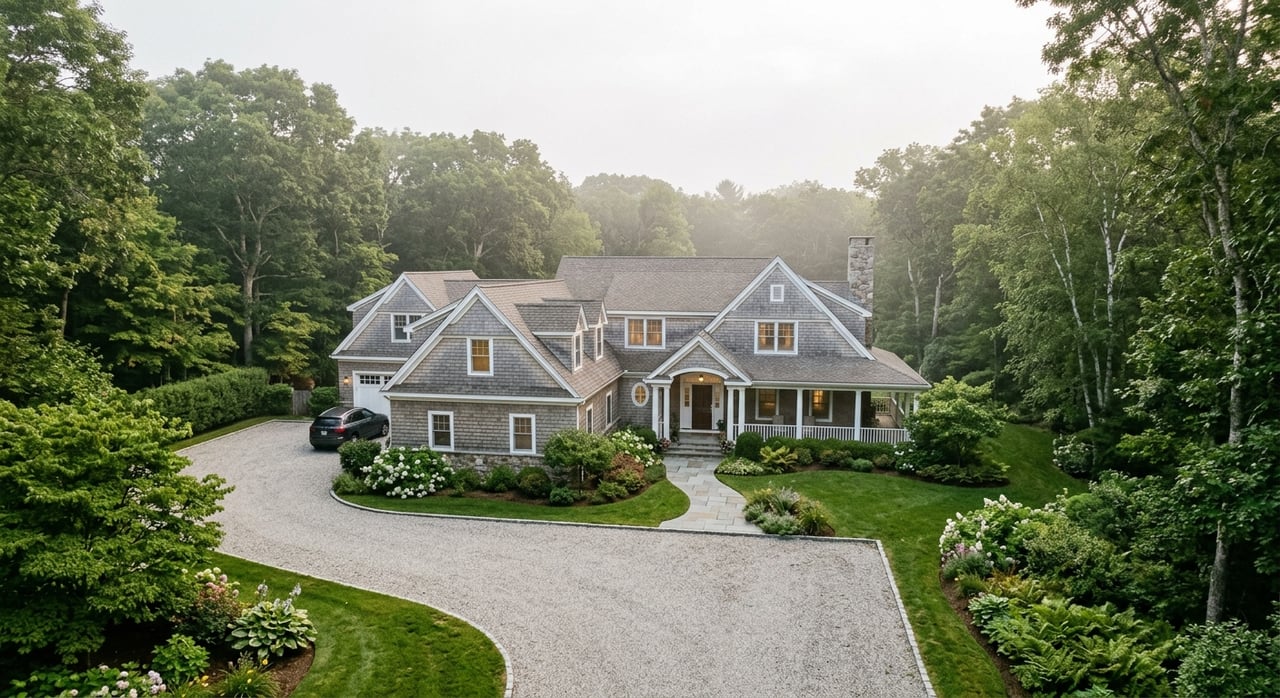
Fairfield County attracts second-home buyers because it offers more than one lifestyle. You can look at shoreline towns for beaches, boating, and waterfront views, or focus on inland and village-centered towns for a more walkable, lower-maintenance experience.
That flexibility matters because Connecticut’s counties are geographic names, not governing bodies. In practice, your real comparison points are the towns themselves, since taxes, zoning, commute access, and local rules can vary from one town to the next.
Metro-North also adds to the appeal. The New Haven Line serves stations in towns including Greenwich, Stamford, Darien, Norwalk, and Fairfield, with service to and from Grand Central and Harlem-125th Street. For many buyers, that makes a second home feel much more usable.
Compare Town Lifestyles First
One of the smartest ways to narrow your search is to decide what kind of experience you want most. In Fairfield County, second-home choices often fall into three broad categories: shoreline homes, village-center homes, and condos or other lock-and-leave options.
Shoreline Homes
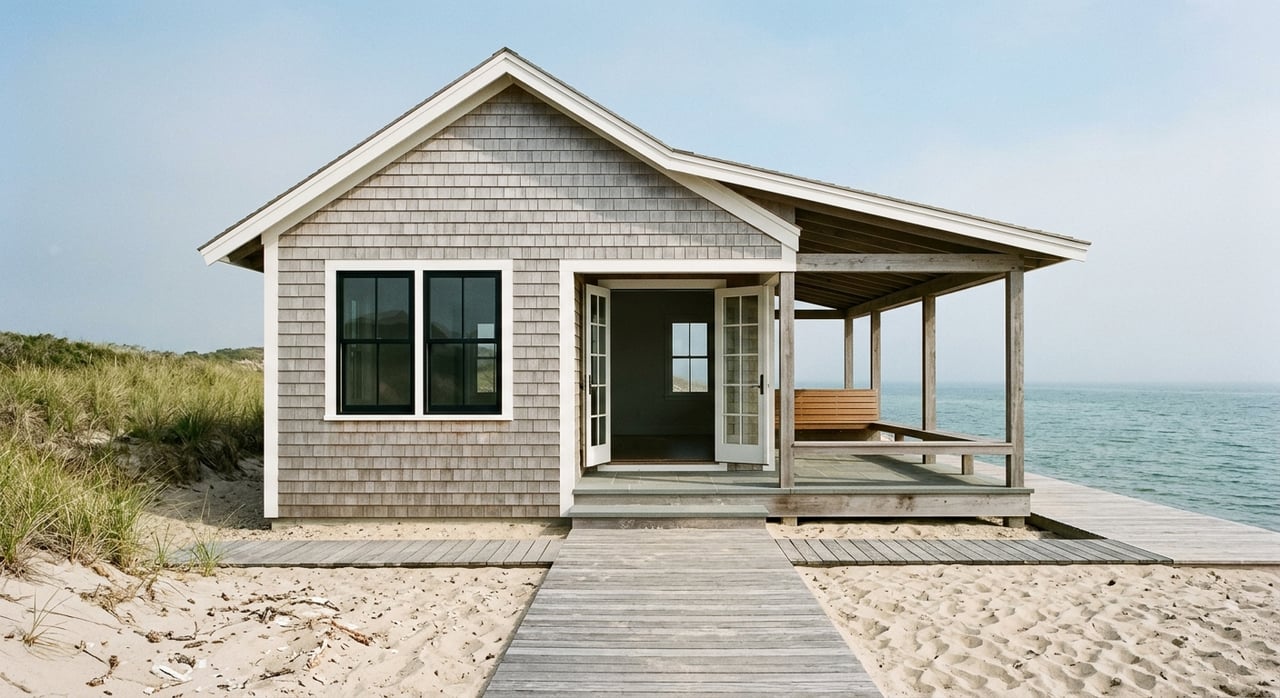
If your ideal second home includes beach time, boating, or water views, several Fairfield County towns stand out. Norwalk is known for extensive shoreline and marina access, Fairfield highlights five miles of coastline, Greenwich features four beaches, and Westport offers three beaches.
These homes can deliver the classic coastal lifestyle many buyers want. They can also work well if you picture hosting family and friends, enjoying seasonal outdoor living, or spending long weekends near the water.
Village-Center Homes
Not every second-home buyer wants shoreline exposure. Some buyers prefer a home close to downtown amenities, where the draw is easy access to shops, dining, and cultural destinations instead of waterfront upkeep.
In towns such as Greenwich, Westport, and New Canaan, that village-centered lifestyle can be a strong fit. A walkable location can make part-time ownership feel simpler because your enjoyment comes from convenience and setting, not from maintaining a more weather-exposed property.
Condos and Lock-and-Leave Options
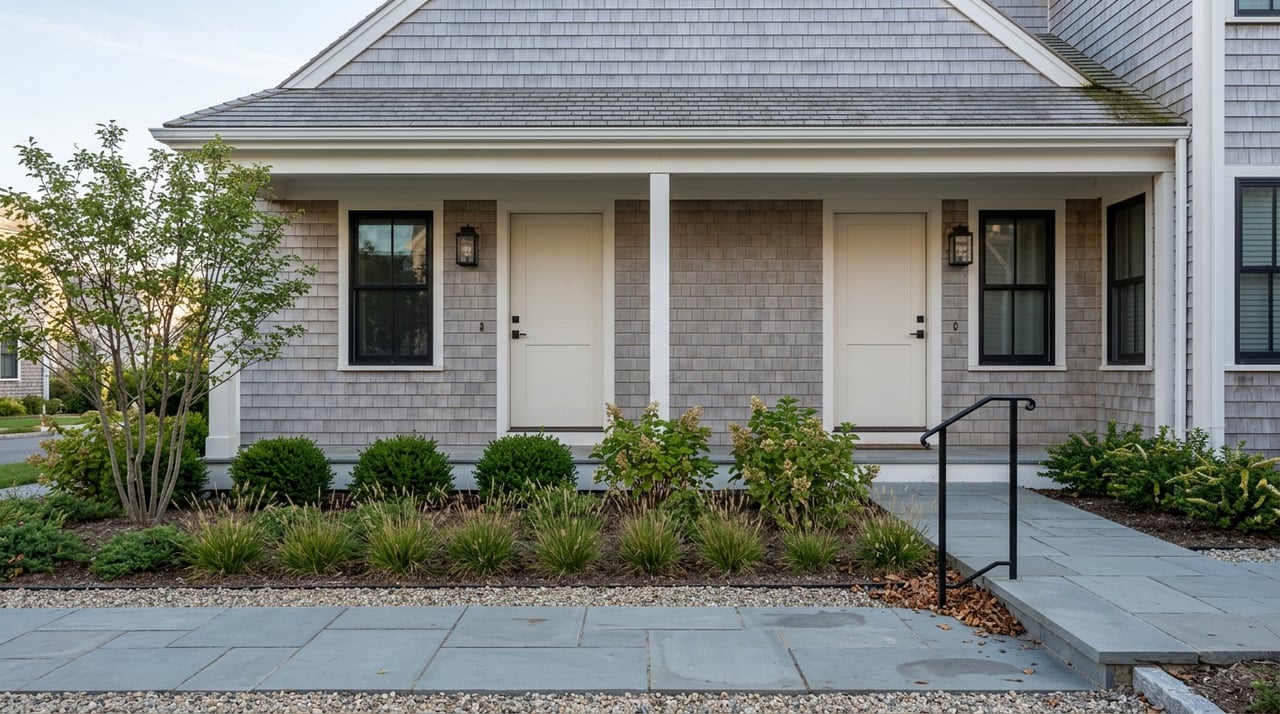
If ease of ownership is high on your list, a condo may be worth a closer look. Many second-home buyers like the idea of leaving for days or weeks at a time without managing as much exterior upkeep.
That said, convenience comes with trade-offs. HOA dues are a separate monthly cost, and associations may also have rules about guests, pets, parking, alterations, or seasonal use. Before you commit, make sure the lifestyle works as well as the numbers do.
Understand Coastal Risks Early
A shoreline home can be beautiful, but it requires extra diligence. Connecticut’s coastal guidance makes clear that shorefront living can involve erosion, flooding, and changing shoreline conditions over time.
This is one of the biggest reasons to do your homework early. If you are considering a waterfront or near-water property, ask detailed questions about flood exposure, storm history, and any limits on future shoreline protection work.
Flood insurance is especially important to review. Connecticut’s Insurance Department says standard homeowners and renters policies do not cover flood damage, and flood insurance is required for homes in a high-risk flood zone when there is a government-backed mortgage.
It is also worth remembering that flood risk is not limited to the highest-risk zones. The state notes that flooding can happen outside designated flood zones too, and even one inch of water can cause more than $25,000 in damage. For a second home, that kind of surprise cost can quickly change the ownership picture.
Know How Financing May Differ
Financing a second home is not always the same as financing a primary residence. Loan guidelines typically look closely at how you plan to use the property.
Fannie Mae says a second home must be occupied by the borrower for some portion of the year, must be a one-unit dwelling, must be suitable for year-round occupancy, and must remain under the borrower’s exclusive control. It also cannot be a timeshare or a property treated as a rental for qualification purposes.
Freddie Mac has similar standards. It also notes that short-term rental can be allowed in some cases, but not when the property is tied to a rental pool or management arrangement that controls occupancy.
The practical takeaway is simple: if a home is primarily marketed or structured as a managed vacation rental, your lender may view it as an investment property instead of a second home. That can affect rates, down payment expectations, and documentation requirements.
Factor In Town-Based Carrying Costs
Many buyers focus first on the purchase price, but second-home affordability is really about total carrying cost. In Fairfield County, one of the biggest variables is property tax.
Connecticut’s property-tax system is municipal, which means cities and towns assess, bill, and collect property taxes locally. Mill rates are also set at the town level, so annual tax costs can vary meaningfully depending on where you buy.
This is why a town-by-town comparison matters so much. Two homes with similar prices can carry very different annual costs once taxes, insurance, flood coverage, utilities, and HOA dues are all added together.
For condo buyers, HOA fees deserve special attention. Consumer guidance notes that these dues are usually paid directly to the association and are not included in your mortgage servicer payment, so they need to be budgeted separately.
Be Careful With Rental Assumptions
Some second-home buyers hope to offset costs by renting the property part-time. That can be possible, but it is not something to assume without checking the financing, tax, and local-rule side first.
At the federal tax level, vacation-home treatment depends in part on how much personal use and rental use the property has during the year. IRS Topic 415 says a dwelling is generally treated as a residence if personal use exceeds the greater of 14 days or 10% of the rental days.
Connecticut also applies a 15% room occupancy tax to short-term home rentals for stays of 30 consecutive days or less. If you are counting on seasonal rental income, that is one more layer to understand before you buy.
Local rules matter too. Because Connecticut works town by town, short-term rental rules and association policies should be verified directly for the specific property you are considering. What works in one town or one condo community may not work in another.
Questions To Ask Before You Buy
A second home can be a wonderful lifestyle move, but the best decisions usually come from asking the right questions early. Here are a few that can help you avoid expensive surprises.
Questions for Your Lender
- Will this property be underwritten as a second home or an investment property?
- Does the property type qualify if it is a condo, multi-unit property, or a home with rental history?
- What occupancy and documentation rules apply if you plan to use the home part-time or rent it occasionally?
Questions for Your Insurer
- Is flood insurance required for this address?
- If it is not required, is it still advisable based on the location?
- Are there other coverage gaps to review, such as wind exposure, sewer backup, or condo master-policy limitations?
Questions for the Town or HOA
- Are short-term rentals allowed under local code or association rules?
- What are the HOA dues, what do they cover, and how often can they change?
- Are there rules related to parking, guests, pets, alterations, or seasonal occupancy?
Questions for Your Tax Professional
- How should personal-use days and rental days be tracked?
- How could short-term rental income affect your tax treatment?
- How do town property taxes and rental use fit into the larger ownership picture?
A Smart Way To Narrow Your Search
If you are still deciding where to focus, start with your real goal. Do you want a classic coastal retreat, an easy town-centered getaway, or a low-maintenance condo you can lock and leave?
From there, compare the full ownership picture, not just the listing photos or headline price. In Fairfield County, the most successful second-home purchases usually happen when lifestyle, carrying costs, financing, and local rules all line up.
A thoughtful plan can make the process much smoother. And in a market with meaningful differences between towns like Westport, New Canaan, Greenwich, Fairfield, Norwalk, Darien, and Wilton, local guidance can help you zero in on the right fit faster.
If you are exploring a second home in Fairfield County and want practical, town-level guidance, Lovisa Wisdom can help you compare locations, property types, and ownership costs with a clear local perspective.
FAQs
What should you compare when buying a second home in Fairfield County?
- You should compare towns individually because property taxes, zoning, commute access, shoreline exposure, and local or HOA rules can vary from one town to another.
What makes shoreline homes in Fairfield County different from inland homes?
- Shoreline homes can offer beaches, marinas, and water access, but they also may involve more flood, erosion, insurance, and maintenance considerations than inland or village-center homes.
What should you know about flood insurance for a Fairfield County second home?
- Standard homeowners insurance does not cover flood damage, and flood insurance is required for homes in a high-risk flood zone with a government-backed mortgage.
What counts as a second home for mortgage purposes in Fairfield County?
- A second home generally must be a one-unit property that you occupy for part of the year, keep for your personal use, and control directly rather than through a rental pool or timeshare setup.
What costs should you budget for with a Fairfield County condo second home?
- You should budget for mortgage costs, property taxes, insurance, utilities, maintenance, and HOA dues, since HOA fees are typically separate from your mortgage payment.
What should you know about renting out a Fairfield County second home?
- You should confirm lender rules, local or HOA restrictions, and tax treatment first, since rental use can affect financing classification and Connecticut applies a 15% room occupancy tax to short-term rentals of 30 days or less.